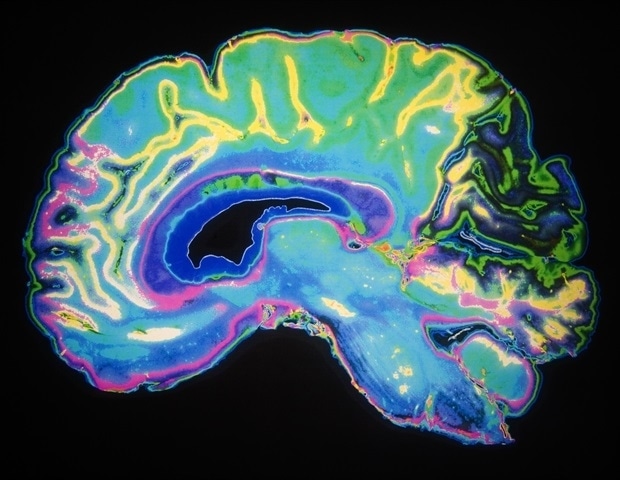
Staying positive can have a significant impact on your cognitive health as you age. A recent study highlights how maintaining an optimistic outlook can potentially reduce the risk of memory decline and foster overall brain health.

The Connection Between Positivity and Memory
Research has increasingly pointed to the powerful influence of positive thinking on mental health. In this study, participants who regularly practiced positive affirmations and maintained a hopeful perspective showed a slower rate of memory decline compared to their less optimistic counterparts. These findings suggest that a positive mindset might be a crucial factor in preserving cognitive function over time.
Understanding the Study
Conducted over several years, the research involved a diverse group of adults, tracking their mental health and cognitive abilities. Participants were asked to complete regular assessments evaluating their memory and emotional state. The results underscored a clear correlation: those with higher levels of optimism consistently performed better on memory tests.
Key Findings
The study revealed that individuals who embraced positivity experienced less memory deterioration. This effect was observed across various demographics, indicating that the benefits of a positive outlook are broadly applicable. Moreover, the research suggests that optimism might not only protect against memory loss but also enhance brain resilience.
Why Positivity Matters
Positivity influences physical health by reducing stress and promoting healthier lifestyle choices, both of which are beneficial for cognitive health. Stress, known for its detrimental effects on the brain, can accelerate memory decline, whereas positive thinking can counteract stress by fostering a sense of well-being and balance.
Practical Steps to Cultivate Positivity
Incorporating positivity into daily life can be achieved through simple practices. Mindfulness meditation, gratitude journaling, and engaging in enjoyable activities are all effective strategies. These practices help shift focus from negative to positive thoughts, thereby strengthening mental health and potentially preserving memory.
Implications for Future Research
This study opens new avenues for exploring how mental attitudes affect brain health. Future research could investigate specific mechanisms through which positivity influences cognitive function and whether similar benefits are observed in different age groups or cultural contexts.
Conclusion
Embracing a positive mindset not only enriches daily life but may also provide a protective effect against memory decline. As the global population ages, understanding and leveraging the power of positivity could become a key strategy in maintaining mental health and enhancing quality of life. By fostering optimism and integrating positive practices into our routines, we can support cognitive health and enjoy better mental well-being.
#positivemindset #brainhealth #cognitivedecline #mentalwellbeing #healthyaging