The Hidden Reality Behind Wildlife Data
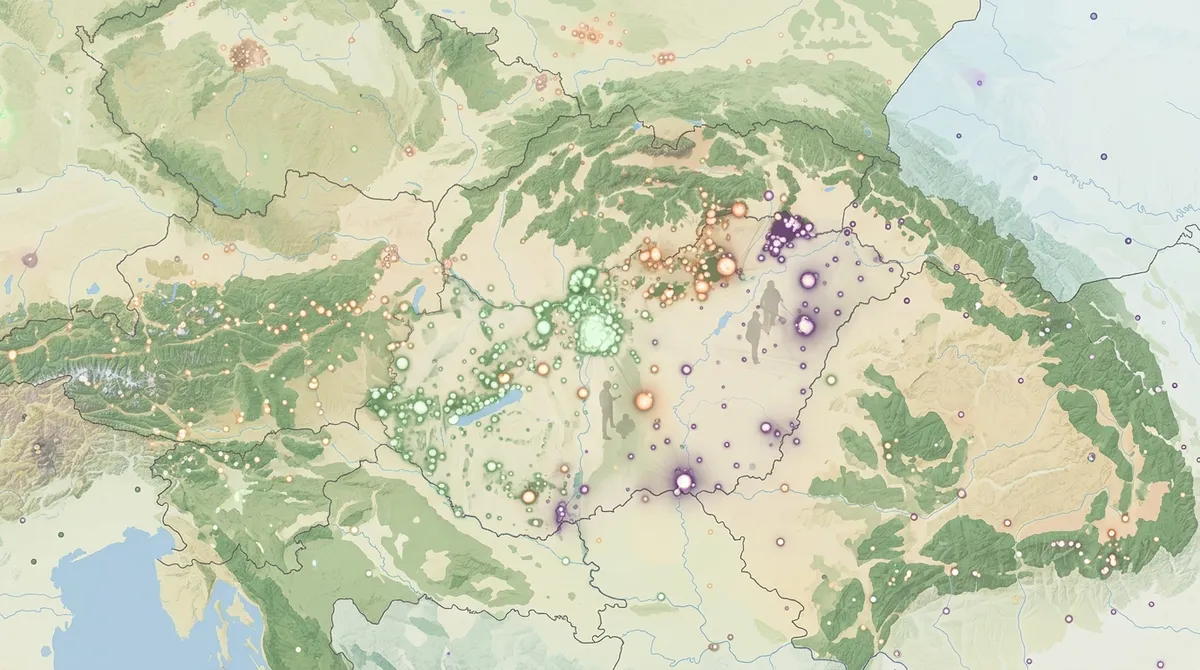
A groundbreaking study analyzing over 300,000 Hungarian citizen science records has revealed that wildlife reporting patterns reflect more than just where animals live—they're significantly influenced by who's doing the observing and reporting.
According to reports, researchers discovered that participation bias plays a major role in shaping the data that conservation scientists rely on. This finding challenges assumptions about how citizen science data represents actual wildlife distribution and highlights critical gaps in our understanding of biodiversity monitoring.
Multiple Factors Shape Reporting Patterns
The study identified several key factors that influence where wildlife observations are submitted. Protected areas emerged as hotspots for citizen science reporting, attracting significantly more biodiversity observations than other locations. This pattern suggests that people are more likely to document wildlife in designated conservation areas.
Demographic factors also play crucial roles in participation. According to the research, education levels, age, household composition including the presence of children, income levels, and urbanization all influence wildlife reporting behavior. These findings reveal that citizen science data reflects not just ecological reality, but also the social and economic characteristics of the observers.
The Growing Importance of Citizen Science
Citizen science methodology has gained significant momentum in recent years and is becoming increasingly important in large-scale ecological and conservation research. By involving volunteers, these programs enable researchers to collect data across vast geographical areas and time periods that would be impossible to cover with traditional scientific methods alone.
As biodiversity monitoring increasingly relies on public participation, understanding these participation patterns becomes essential for accurate data interpretation. The research suggests that bias-aware data analysis is becoming a necessity rather than an option for scientists using citizen-generated information.
When "More Reports" Doesn't Mean "More Wildlife"
One of the study's most significant implications is that higher numbers of wildlife reports in certain areas don't necessarily indicate higher wildlife populations. Instead, these patterns may reflect where engaged, educated, or resource-rich citizens are more likely to participate in scientific observation programs.
This revelation has important consequences for conservation planning and resource allocation. If scientists and policymakers interpret reporting hotspots as biodiversity hotspots without accounting for participation bias, they may misallocate conservation resources or misunderstand actual wildlife distribution patterns.
The Value of "Biased" Data
Despite these limitations, the research indicates that biased citizen science data can still provide significant scientific value when properly interpreted. The key lies in understanding and accounting for these biases rather than dismissing the data entirely.
This approach requires researchers to consider both the ecological and social factors that influence data collection. By acknowledging participation patterns, scientists can develop more sophisticated analytical methods that extract meaningful insights while compensating for systematic biases.
Designing Better Citizen Science Programs
The findings point toward improvements in how citizen science projects should be designed and implemented. Future programs could focus on increasing participation across diverse demographic groups and geographical areas to create more representative datasets.
This might involve targeted outreach to underrepresented communities, simplified participation processes, or incentive structures that encourage broader engagement. The goal would be creating citizen science programs that better reflect the full spectrum of ecological and social landscapes.
Implications for Conservation Research
As citizen science continues to expand its role in conservation research, these insights become increasingly critical. The study demonstrates that effective use of volunteer-generated data requires understanding not just what is being observed, but who is doing the observing and under what circumstances.
This awareness could lead to more nuanced conservation strategies that account for both ecological realities and the social dynamics that shape our understanding of them. For the growing field of citizen science, recognizing and addressing participation bias may be key to maximizing its potential for meaningful conservation impact.