
The Rise of At-Home Cardiac Monitoring
For decades, getting a reliable electrocardiogram (EKG) meant a trip to a doctor's office, sticky electrode patches, and a waiting room. That picture is changing fast. A new generation of portable EKG devices is putting meaningful cardiac data directly in the hands of consumers — and cardiologists are increasingly on board.
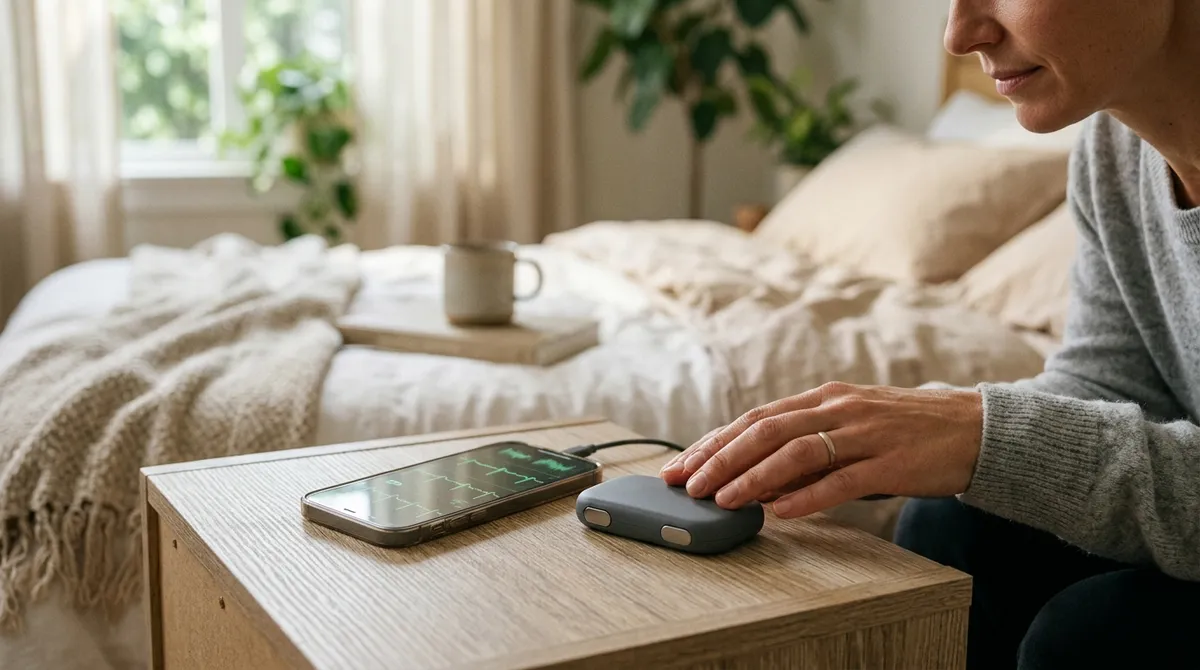
At the center of this shift is a device called the KardiaMobile 6L Max, a pocket-sized six-lead EKG monitor designed for home use. According to reports, the device has received FDA clearance and allows users to record clinical-grade heart data without leaving their homes. It represents a significant step beyond earlier single-lead alternatives and smartwatch-based EKG features that many health-conscious consumers are already familiar with.
What Makes the KardiaMobile 6L Max Different
Not all portable EKG devices are created equal. The key differentiator with the KardiaMobile 6L Max is its six-lead capability. Traditional single-lead devices — including the earlier KardiaMobile Card — capture heart rhythm from one electrical angle, which is useful but limited. A six-lead EKG captures the heart's activity from multiple perspectives, offering a more comprehensive picture that more closely mirrors what you'd get in a clinical setting.
According to the source summary, the device has been reviewed and compared directly against single-lead alternatives and smartwatch EKG features. Smartwatches from major tech brands have popularized the idea of wrist-based heart monitoring, but their single-lead EKG readings come with well-documented limitations when it comes to detecting certain cardiac conditions.
For users who want something closer to a medical-grade reading without scheduling an appointment, the six-lead format is a meaningful upgrade.
Cardiologist Access and FDA Clearance
One of the more compelling aspects of the KardiaMobile 6L Max is not just the hardware — it's the ecosystem around it. According to reports, the device offers users access to cardiologist review options, meaning recordings can be sent to a medical professional for evaluation. This bridges the gap between consumer health tech and actual clinical oversight, a feature that sets it apart from purely passive monitoring tools.
The FDA clearance adds another layer of credibility. Unlike general wellness wearables, which are typically not subject to the same regulatory scrutiny, a cleared medical device has met standards for safety and effectiveness. That distinction matters when you're making decisions based on the data it produces.
The Cost Question: Is It Worth It?
Convenience and clinical value aside, cost is a real consideration. According to the source summary, the KardiaMobile 6L Max is priced at approximately $149, with an additional membership cost of around $100 per year — likely tied to the cardiologist review and data storage features.
That puts the total first-year cost at roughly $249, which prompts a fair comparison: how does that stack up against an Apple Watch with built-in EKG, or simply keeping up with regular cardiology checkups? The answer depends heavily on individual health needs, insurance coverage, and how frequently a person wants access to heart data.
For someone managing an existing cardiac condition or with a strong family history of heart disease, the ongoing cost may feel like a reasonable investment in peace of mind. For a generally healthy person with low cardiac risk, the calculus might look different.
Peace of Mind or Health Anxiety?
This is where the conversation gets nuanced. Wearable health tech, broadly speaking, has a complicated relationship with mental wellness. Access to real-time health data can be genuinely reassuring — or it can fuel health anxiety, especially for people who are prone to health-focused worry.
The ability to check your heart rhythm at any moment is a double-edged capability. For some users, knowing they can capture a reading during a moment of concern — an unexpected palpitation, a period of stress — provides a sense of control that reduces anxiety. For others, constant access to biometric data can become a source of fixation.
According to reports, the author of the original review used the KardiaMobile 6L Max alongside the earlier KardiaMobile Card, suggesting that for at least some users, the transition to more sophisticated at-home monitoring is gradual and experience-driven rather than a cold leap into new technology.
Practical Usability: Android vs. iPhone
Real-world performance is another consideration the source summary flags. According to reports, there are notable differences in how the device performs depending on whether users pair it with an Android device or an iPhone. For consumers already invested in a particular mobile ecosystem, this compatibility question is worth researching before purchasing.
A Broader Shift in Preventive Cardiac Care
The KardiaMobile 6L Max is one product, but it reflects a wider movement. As remote health monitoring gains acceptance — accelerated in part by shifts in how people access healthcare — portable cardiac devices are becoming a legitimate part of preventive wellness routines.
Cardiologists, according to reports, are increasingly recommending portable EKG devices over waiting for periodic office visits alone. When a six-lead reading can be taken at home, reviewed by a professional, and stored digitally, the traditional model of cardiac monitoring begins to look overdue for a rethink.
For health-conscious consumers who want to take a more proactive role in tracking their heart health, the technology is now more accessible — and more capable — than ever before.