
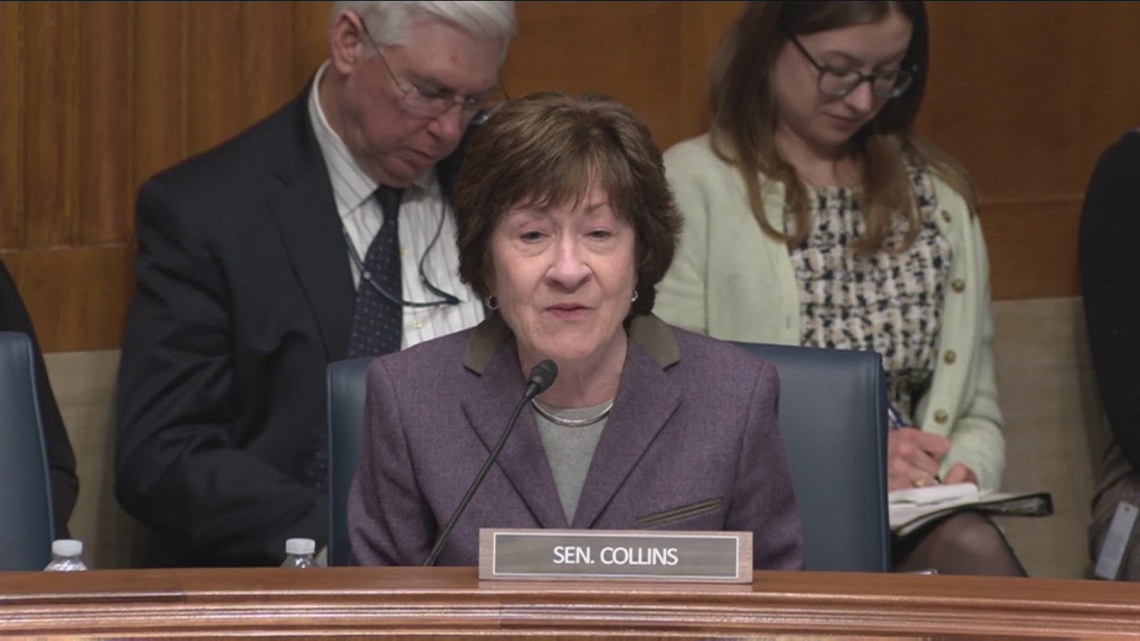
In a recent development, U.S. Senator Susan Collins has expressed her concerns about the current administration’s approach to funding for medical research. Her inquiry comes amid growing uncertainties about how federal resources are allocated to crucial medical initiatives, particularly concerning the National Institutes of Health (NIH). Collins, known for her bipartisan efforts, seeks clarity on the potential changes that could impact various health programs.
The Importance of NIH Funding
The National Institutes of Health plays a pivotal role in advancing medical research across the United States. With its comprehensive network of scientists and researchers, the NIH is at the forefront of combatting diseases and developing new treatments. Funding from the NIH supports a wide range of projects, from developing vaccines to studying chronic illnesses. Therefore, any changes to its funding can significantly affect medical advancements and public health outcomes.
Senator Collins’ Concerns
Senator Collins, a prominent figure in the Senate, has consistently advocated for sufficient funding in the health sector. Her recent request for more information from the administration highlights her dedication to ensuring that medical research does not suffer due to budgetary constraints or policy shifts. Collins aims to understand the rationale behind the administration’s decisions and how they align with the nation’s health priorities. Her proactive stance underscores the need for transparency and accountability in federal financial decisions.
Potential Impact on Medical Research
Changes in funding strategies could have far-reaching consequences for medical research. Reduced financial support might slow down scientific discoveries and delay the development of new therapies. Researchers rely heavily on federal grants to conduct groundbreaking studies that can lead to life-saving treatments. Without adequate funding, many promising projects may face stagnation, affecting patients and healthcare systems nationwide.
Collins’ Advocacy for Bipartisanship
Known for her ability to work across party lines, Senator Collins emphasizes the importance of bipartisan support in maintaining robust funding for health research. She believes that addressing public health challenges requires a united effort from both sides of the political spectrum. By fostering collaboration, Collins hopes to secure a stable future for medical research funding, ensuring that it remains a priority regardless of political changes.
Looking Ahead: The Future of Medical Research Funding
As the nation grapples with various health challenges, the importance of well-funded medical research cannot be overstated. Ensuring that institutions like the NIH receive adequate support is crucial for sustaining innovation and improving public health outcomes. Lawmakers, advocates, and the scientific community must work together to address funding issues and safeguard the progress made in medical research.
In conclusion, Senator Susan Collins’ efforts to seek transparency in the administration’s funding approach highlight a critical issue facing the nation’s healthcare system. By advocating for clarity and bipartisan cooperation, she aims to protect the future of medical research and its essential role in advancing health and wellbeing.
#medicalresearch #nihfunding #healthcarepolicy