
Nova Scotia’s vibrant blueberry fields are not only a picturesque feature of the province’s landscape but also a promising solution for promoting healthier diets and lifestyles. Recent research conducted by Dalhousie University highlights the potential benefits of integrating blueberries into daily nutrition plans. This innovative approach, known as food prescribing, is gaining traction as a method to improve public health by encouraging the consumption of locally sourced, nutrient-rich foods.
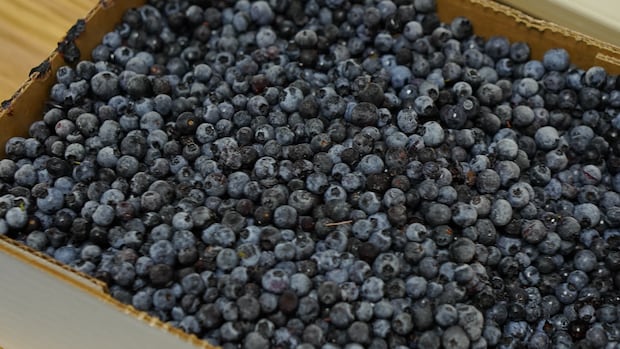
The concept of food prescribing involves healthcare providers recommending specific foods to patients to enhance their health outcomes. This method is particularly focused on preventing and managing chronic illnesses such as heart disease, diabetes, and obesity. The Dalhousie study emphasizes the role of blueberries, noted for their high antioxidant levels, in supporting cardiovascular health and reducing inflammation. By prescribing these berries, healthcare professionals aim to address dietary deficiencies and promote long-term wellness.
The Nutritional Power of Blueberries
Blueberries are packed with essential vitamins and minerals, making them a powerful addition to any diet. Their rich antioxidant content helps combat oxidative stress, a factor contributing to various chronic diseases. Additionally, blueberries are a good source of dietary fiber, which aids in digestion and helps maintain healthy blood sugar levels. The Dalhousie research underscores these benefits, suggesting that regular consumption of blueberries can significantly improve health outcomes.
Local Impact of Food Prescribing
Food prescribing not only benefits individual health but also supports local economies. By encouraging the consumption of locally grown foods like blueberries, communities can bolster their agricultural sectors. In Nova Scotia, this approach has the potential to enhance the livelihoods of local farmers and contribute to the province’s economic stability. The increased demand for blueberries could lead to expanded farming operations and job creation, further embedding the practice of food prescribing into the local culture.
Challenges and Considerations
Despite the promising outlook, implementing food prescribing on a broader scale requires overcoming certain challenges. Access to fresh produce can be limited in some areas, posing a barrier to those who could benefit the most. Additionally, there is a need for increased awareness and education among healthcare providers regarding the benefits of food prescribing. Training and resources must be allocated to ensure that practitioners are equipped to incorporate this approach into their patient care strategies effectively.
The Future of Food Prescribing
As awareness of the health benefits of blueberries and other nutrient-rich foods grows, food prescribing is poised to become a cornerstone of preventative healthcare practices. The Dalhousie study lays the groundwork for further research and potential policy changes that could integrate food prescribing into national health guidelines. By prioritizing the consumption of foods like blueberries, healthcare systems can shift towards more sustainable, health-focused practices.
In conclusion, the integration of blueberries into food prescribing initiatives offers a promising path forward for Nova Scotia and beyond. By leveraging the nutritional benefits of these local berries, communities can enhance their health outcomes, support local economies, and contribute to a more sustainable food system. As this practice gains momentum, it may redefine how we approach healthcare and nutrition, paving the way for healthier, more resilient societies.
#blueberries #healthyeating #localproduce #foodprescribing #nutrition