Innovative advancements in medical technology continue to transform lives, with recent developments in visual prosthetics offering new hope for individuals with impaired vision. Researchers are progressing in the field of bionic eyes, aiming to restore sight through cutting-edge implants. These remarkable devices promise to revolutionize how we tackle visual impairments, potentially improving the quality of life for millions worldwide.

Pioneering Bionic Eye Technology
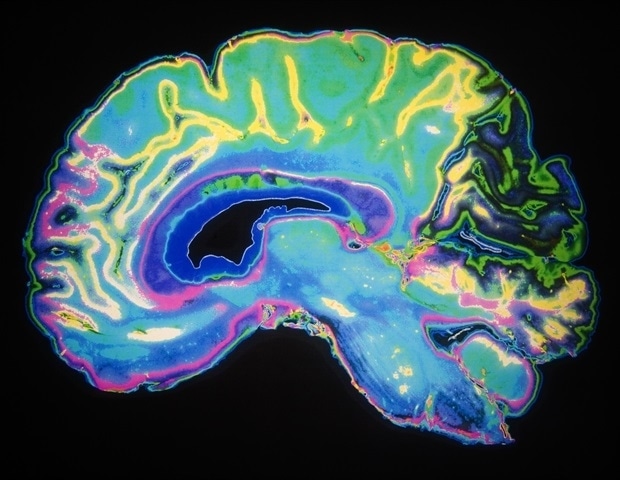
The concept of restoring vision using technology has moved from science fiction to reality, thanks to collaborative efforts among scientists and engineers. The development of bionic eye implants involves sophisticated electronic devices designed to interface with the brain, providing a semblance of sight to those who have lost it. These implants work by bypassing damaged cells in the retina, directly stimulating the visual cortex to create images.
How Bionic Implants Work
At the core of this technology is a microelectronic implant that is surgically placed in the eye. This device captures visual information, which is then transmitted to the brain via electrodes. The process involves converting light into electrical signals that the brain interprets as visual images. Although the vision restored is not identical to natural sight, it significantly enhances the perception of the environment for the user.
Key Benefits and Challenges
The potential benefits of bionic eye implants are substantial. They offer a level of independence and autonomy to individuals who are blind or have severe vision loss. Users can perceive shapes, light, and movement, allowing for greater engagement with their surroundings. However, several challenges remain, including the complexity of the technology, the high costs involved, and the need for extensive rehabilitation and training for users to adapt to the new form of vision.
The Road to Widespread Adoption
Despite these challenges, the future of bionic eye technology looks promising. Ongoing research aims to refine these devices, making them more effective and accessible. Scientists are working on improving the resolution of the images produced by the implants and reducing the size and weight of the devices to enhance user comfort. Additionally, reducing production costs is crucial to making this technology available to a broader population.
Impact on Society
The implications of successfully integrating bionic eyes into medical practice extend beyond individual users. This technology represents a significant leap forward in addressing visual impairments, potentially reducing the societal and economic burdens associated with vision loss. Moreover, it opens new avenues for understanding the brain’s visual processing capabilities, offering insights that could benefit other areas of neurological research.
The Future of Vision Restoration
As research progresses, the possibilities of bionic eye implants continue to expand. Future developments could include enhanced color perception, improved image clarity, and even the ability to recognize faces and read text. Such advancements would mark a monumental shift in the capabilities of artificial vision, offering a more comprehensive solution for those affected by blindness.
In conclusion, the evolution of bionic eye technology underscores the incredible potential of integrating biology with technology. While challenges remain, the pursuit of restoring sight through implants is a testament to human ingenuity and the relentless quest to overcome physical limitations. With continued innovation and dedication, the dream of providing sight to the blind is becoming an increasingly tangible reality.
#bioniceye #sightrestoration #medicalinnovation #visualtechnology #futureofhealthcare