
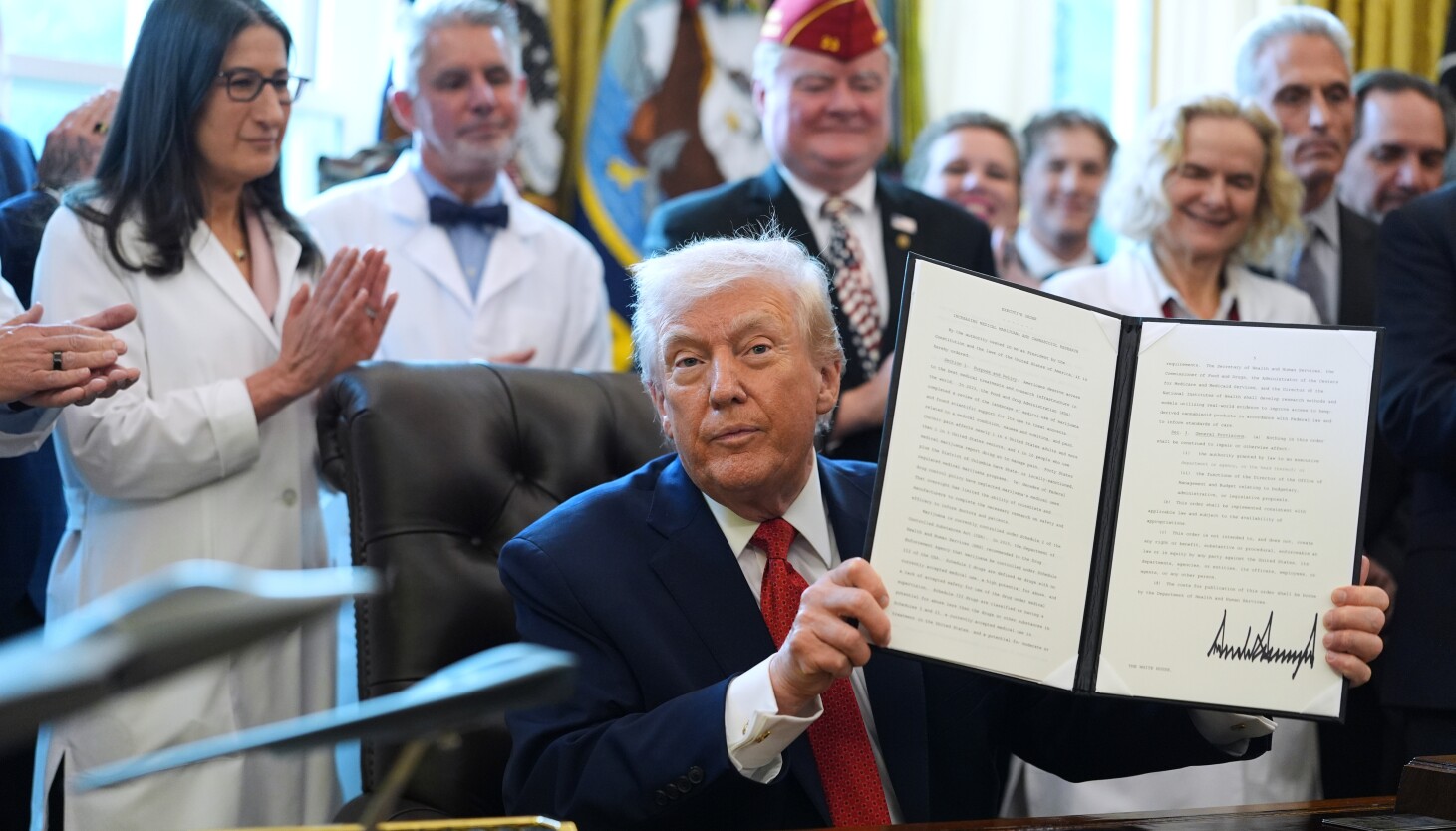
The landscape of marijuana regulation in the United States is evolving, with recent discussions centered around rescheduling the drug. This change could have significant implications for medical research and taxation, influencing both policy and public perception. As the conversation gains momentum, it is crucial to understand the potential impacts of rescheduling marijuana.

Understanding Marijuana Rescheduling
Rescheduling marijuana involves reclassifying it under the Controlled Substances Act. Currently, marijuana is designated as a Schedule I drug, which indicates a high potential for abuse and no accepted medical use. This classification places it alongside substances such as heroin and LSD. Advocates for rescheduling argue that this status is outdated and hinders scientific research and medical access.
Impacts on Medical Research
One of the primary arguments for rescheduling marijuana is the potential to enhance medical research. As a Schedule I drug, research is severely restricted, requiring rigorous approval processes. By moving marijuana to a lower schedule, scientists would find it easier to conduct studies, potentially unlocking new medical applications and understanding of the drug’s effects and benefits.
Taxation and Economic Opportunities
Rescheduling marijuana could also open up new economic opportunities. Currently, businesses in the cannabis industry face significant tax burdens due to federal restrictions. With a change in scheduling, these companies might gain access to federal tax deductions and credits, providing a more level playing field with other industries. This shift could stimulate economic growth, creating jobs and increasing state and federal tax revenues.
The Role of Public Policy
Public policy plays a critical role in the rescheduling debate. Policymakers must consider not only the scientific and economic factors but also the social and legal implications. The rescheduling of marijuana could lead to changes in law enforcement priorities, impacting criminal justice reform and reducing incarceration rates for marijuana-related offenses.
Challenges and Considerations
Despite the potential benefits, rescheduling marijuana is not without challenges. Opponents often cite concerns about increased recreational use and the need for strict regulatory frameworks to prevent abuse. Additionally, the federal-state legal dichotomy complicates the issue, as states have varying laws regarding marijuana use and distribution.
Future Prospects
As discussions continue, the future of marijuana rescheduling remains uncertain. However, the growing momentum suggests that change may be on the horizon. Policymakers, researchers, and industry leaders must work collaboratively to address the challenges and seize the opportunities that rescheduling presents. By doing so, they can ensure that the potential benefits of marijuana are realized in a safe and responsible manner.
In conclusion, rescheduling marijuana holds the promise of advancing medical research, enhancing economic opportunities, and fostering fairer public policies. As the dialogue progresses, it is essential for stakeholders to remain informed and engaged, paving the way for a more nuanced and effective approach to marijuana regulation.
#marijuana #cannabis #legalization #policy #research