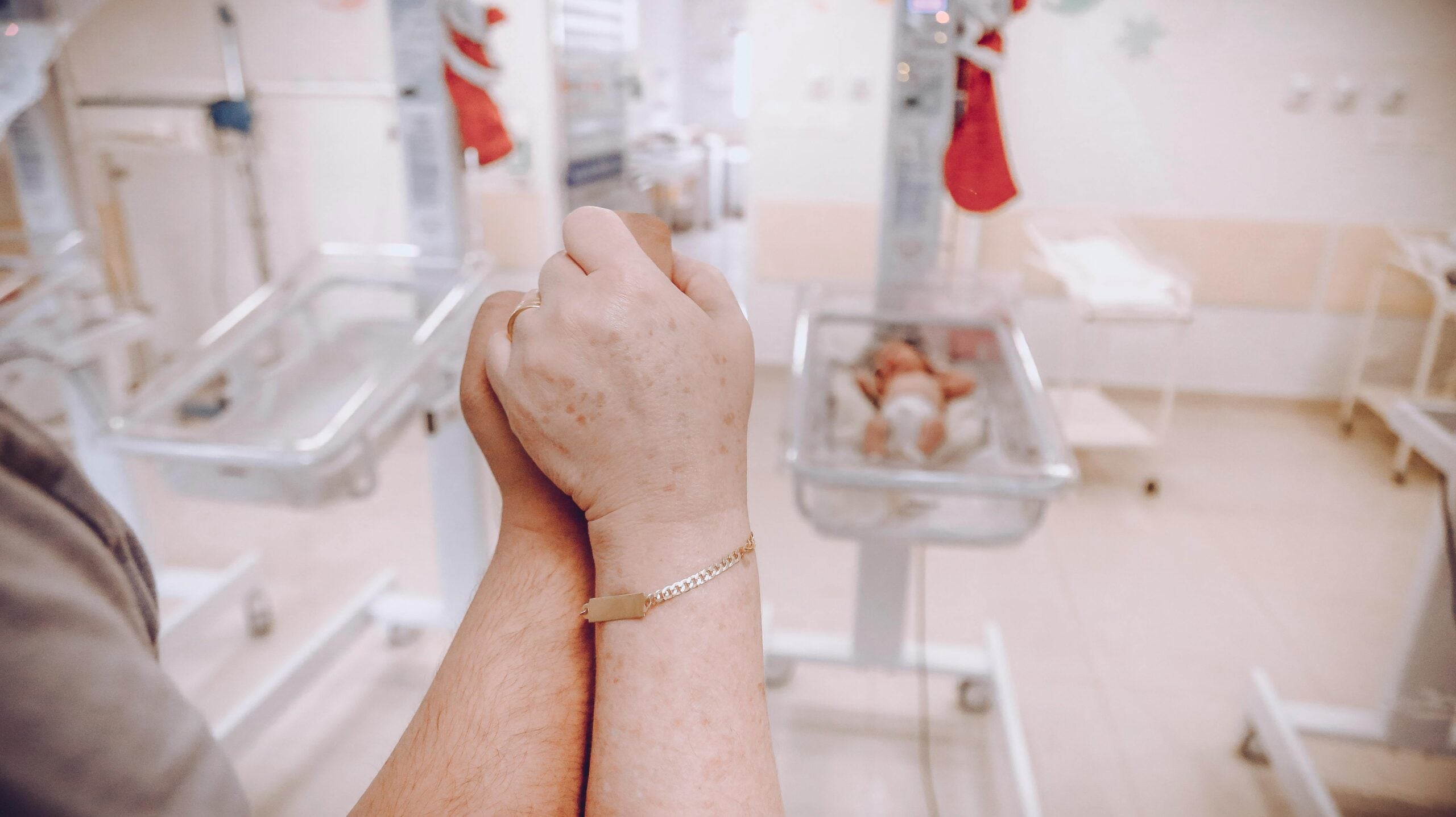

In today’s healthcare landscape, the integration of philanthropy into patient care can significantly enhance treatment outcomes. By bridging gaps in medical funding and support, philanthropic efforts provide resources that enable comprehensive care. These contributions often go beyond traditional medical approaches, fostering an environment where patients can experience holistic healing.

The Role of Philanthropy in Healthcare
Philanthropy plays a crucial role in enhancing healthcare by funding initiatives that might not receive attention otherwise. This support often manifests in various forms, such as financial donations, the establishment of healthcare facilities, and the funding of research projects. These contributions not only aid in improving infrastructure but also in delivering cutting-edge treatments and technologies, thus broadening the scope of patient care.
Innovative Research and Development
One of the most significant impacts of philanthropic support is seen in research and development. By funding groundbreaking research, philanthropists enable medical professionals to explore new treatments and technologies. This can lead to the discovery of innovative solutions for complex health issues, offering patients access to advanced therapies that might not have been possible without such financial backing.
Enhancing Access to Care
Philanthropy also plays a pivotal role in making healthcare more accessible. Many charitable organizations focus on reducing financial barriers for patients, ensuring that medical services are available to a broader population. This is particularly important for underserved communities, where access to healthcare can be limited. Philanthropic efforts can provide the necessary support to establish clinics and healthcare programs in these areas, improving overall patient outcomes.
Philanthropy’s Impact on Patient Support Services
Beyond funding medical treatments and infrastructure, philanthropy significantly enhances patient support services. These services often include patient education, mental health support, and rehabilitation programs. By fostering a supportive environment, patients can focus on their recovery with comprehensive resources at their disposal. This holistic approach is crucial for achieving long-term health improvements and enhancing quality of life.
Community Involvement and Empowerment
Philanthropic activities often encourage community involvement, empowering individuals to participate in healthcare initiatives. By engaging communities, these efforts create a sense of ownership and responsibility towards health improvement. This collaborative approach not only strengthens community ties but also ensures the sustainability of healthcare programs, leading to better health outcomes for everyone involved.
Education and Awareness Programs
Education is another area where philanthropy has a profound impact. By supporting educational programs, philanthropists help raise awareness about various health issues and preventive measures. This knowledge empowers individuals to take proactive steps towards maintaining their health. Moreover, these programs often target specific health challenges, providing valuable information that can lead to early detection and treatment of illnesses.
The Future of Philanthropy in Healthcare
The future of healthcare philanthropy holds immense potential for transforming patient care. As healthcare challenges evolve, philanthropic efforts must continue to adapt and expand. By focusing on sustainable initiatives and long-term impact, philanthropy can play an integral role in shaping a more equitable and effective healthcare system. As more individuals and organizations recognize the value of contributing to healthcare, the future promises even greater advancements in patient care and community health.
#philanthropy #healthcare #patientcare #innovation #communityhealth