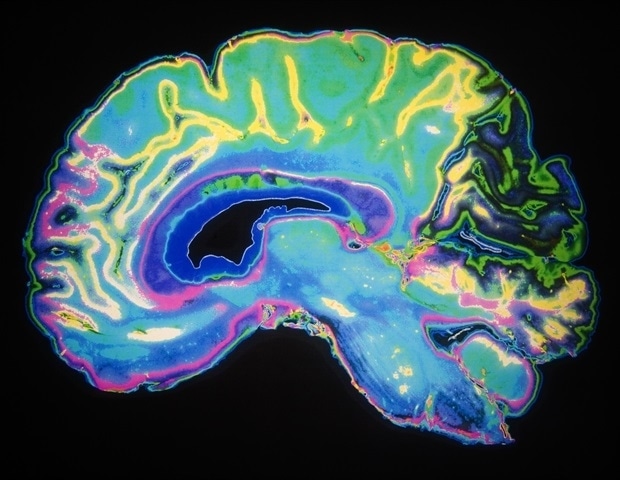
Parkinson’s disease affects millions worldwide, causing significant challenges in daily life. However, recent research suggests that making certain lifestyle changes can reduce the risk of developing this neurodegenerative disorder by up to 25%. By focusing on brain health, individuals can take proactive steps to protect themselves.

The Importance of Brain Health
Maintaining brain health is crucial as we age. The brain, like any other part of the body, requires care and attention. Engaging in activities that stimulate the mind, such as puzzles, reading, and learning new skills, can help keep the brain active and healthy. These activities may also contribute to lowering the risk of diseases like Parkinson’s.
Dietary Habits for a Healthy Brain
Adopting a healthy diet is a fundamental step in supporting brain health. A diet rich in antioxidants, omega-3 fatty acids, and essential vitamins can promote neural health and function. Foods such as leafy greens, berries, nuts, and fish are excellent choices. Antioxidants combat oxidative stress, a factor implicated in the development of Parkinson’s disease, while omega-3s are vital for maintaining neuron integrity.
The Role of Exercise
Regular physical activity is another key component of a brain-healthy lifestyle. Exercise not only benefits the body but also enhances cognitive function and mood. Aerobic exercises, like walking, cycling, or swimming, increase blood flow to the brain, encouraging the growth of new brain cells and improving overall brain performance. Consistent exercise has been linked to a lower risk of Parkinson’s disease, as it helps to maintain motor skills and balance.
Stress Management
Chronic stress can negatively impact brain health, potentially increasing the risk of neurodegenerative diseases. Practicing stress management techniques, such as mindfulness meditation, yoga, or deep breathing exercises, can help mitigate these effects. By incorporating these practices into daily routines, individuals can enhance their mental resilience and potentially reduce their susceptibility to Parkinson’s.
The Impact of Sleep
Quality sleep is essential for brain health. During sleep, the brain undergoes crucial repair and maintenance processes. Lack of sleep can lead to cognitive decline and increase the risk of developing neurological disorders. Establishing a regular sleep routine, ensuring a restful environment, and avoiding stimulants before bedtime can significantly improve sleep quality and, by extension, brain health.
Social Engagement
Staying socially active is another important factor in supporting brain health. Engaging in social activities and maintaining strong relationships can stimulate brain function and reduce the risk of cognitive decline. Whether it’s participating in community events, joining clubs, or simply spending time with loved ones, social engagement plays a vital role in mental well-being.
Conclusion
While there is no guaranteed way to prevent Parkinson’s disease, adopting a holistic approach to brain health can significantly reduce the risk. By focusing on a balanced diet, regular exercise, effective stress management, adequate sleep, and social interaction, individuals can support their brain health and enhance their quality of life. These lifestyle choices not only benefit the brain but also contribute to overall well-being.
#brainhealth #parkinsons #dietandexercise #mentalwellness #lifestylechanges