Virginia Tech researchers are delving into the potential of creatine as a therapeutic option for enhancing brain health. Their innovative research seeks to explore how creatine can be leveraged to support cognitive function and protect against neurological decline. The study is spearheaded by a team of experts committed to uncovering alternative therapies that could offer significant benefits for mental well-being.

Creatine is a compound that occurs naturally in the human body, primarily known for its role in energy production in muscles. However, its impact on brain function is garnering increased attention among scientists. This renewed interest stems from the possibility that creatine could play a vital role in maintaining cognitive health, particularly as individuals age.
At the helm of this study is the Virginia Tech research team, who are dedicated to understanding the multifaceted effects of creatine on the brain. Their research aims to uncover how creatine supplementation could potentially bolster cognitive resilience and offset the effects of neurological disorders that often accompany aging.
The Role of Creatine in Brain Function
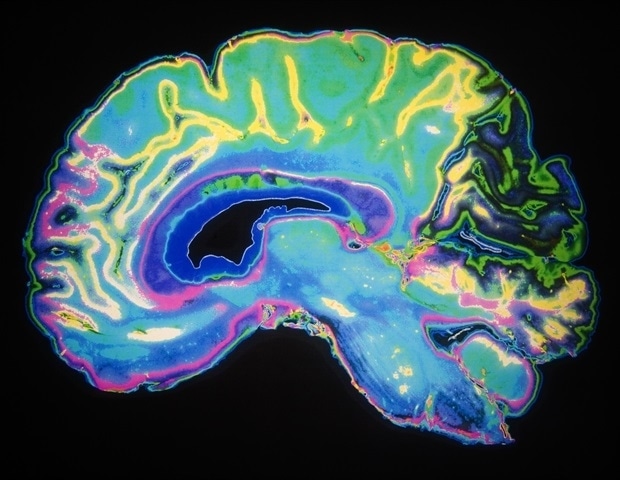
Creatine’s primary function is to aid in the production of ATP, the energy currency of cells, which is crucial for maintaining cellular activity. Its presence in the brain is essential for supporting neurons, the cells responsible for transmitting information throughout the nervous system. By enhancing the availability of ATP, creatine supports neuronal function and may help sustain cognitive processes.
Moreover, creatine is being studied for its neuroprotective properties. Researchers posit that creatine supplementation could help shield brain cells from oxidative stress and damage, which are factors that contribute to cognitive decline and various neurodegenerative conditions.
Implications for Aging and Neurological Health
The implications of creatine for aging populations are particularly noteworthy. As people age, their brain’s ability to produce energy declines, leading to a reduction in cognitive abilities. Supplementing with creatine could potentially counteract this decline by boosting energy levels in the brain, thereby preserving memory and cognitive function.
Additionally, creatine is being examined for its potential to mitigate the impacts of diseases such as Alzheimer’s and Parkinson’s. By providing an energy boost to brain cells, creatine could slow the progression of these neurodegenerative diseases, offering a valuable therapeutic avenue for patients and healthcare providers.
Current Findings and Future Directions
While the research is still in its early stages, initial findings suggest that creatine could be a promising tool for enhancing brain health. The Virginia Tech team continues to conduct rigorous studies to evaluate the efficacy and safety of creatine supplementation among different demographics, including older adults and those at risk of cognitive decline.
Future research will focus on understanding the optimal dosage and delivery methods for creatine to maximize its benefits while minimizing potential side effects. Moreover, exploring the combination of creatine with other supplements or therapies could yield synergistic effects that further enhance cognitive outcomes.
Conclusion
The exploration of creatine as a therapeutic option for brain health is an exciting frontier in medical research. As scientists at Virginia Tech and beyond continue to investigate its potential, creatine may emerge as a key player in the fight against cognitive decline and neurodegenerative diseases. By fostering a deeper understanding of how creatine operates within the brain, researchers hope to unlock new strategies for promoting mental well-being and longevity.
#brainhealth #creatine #neuroscience #aging #cognitiveresearch