Microbiome research has gained significant attention for its potential to transform healthcare. Yet, despite promising discoveries, clinical application remains limited. Researchers are delving into the complexities of the microbiome, hoping to unlock its secrets to improve patient outcomes. This article explores the current state of microbiome research, its challenges, and future prospects. 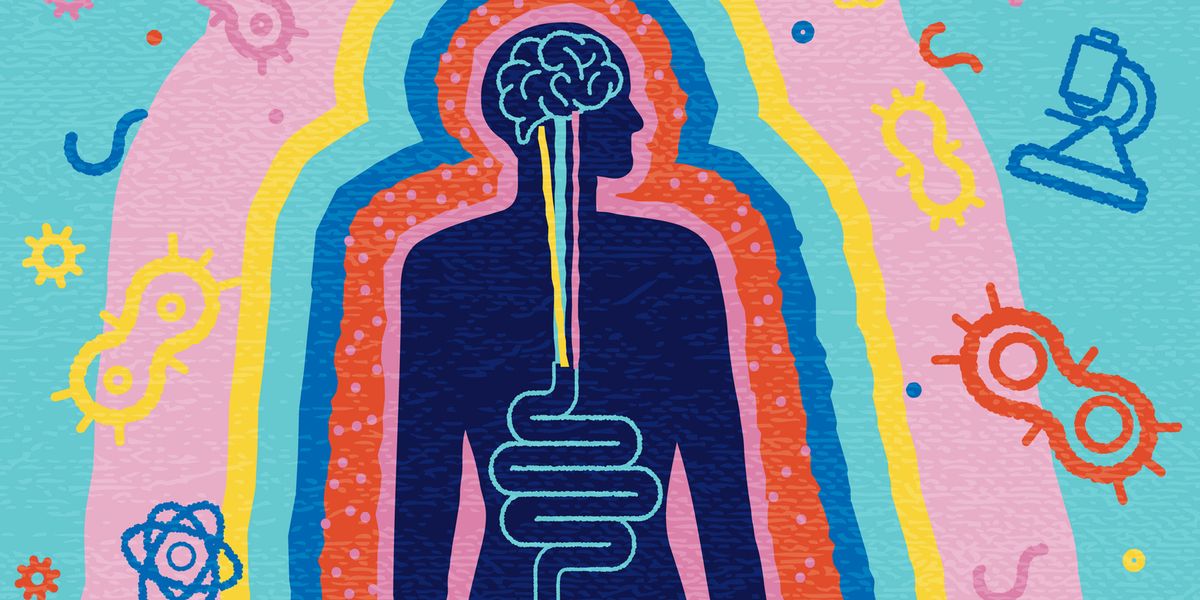
Understanding the Microbiome
The human microbiome consists of trillions of microorganisms living in and on our bodies, including bacteria, viruses, and fungi. These organisms play a crucial role in maintaining health, influencing everything from digestion to immune responses. Advances in sequencing technologies have allowed scientists to explore these microbial communities in unprecedented detail.
The microbiome’s impact on health is profound. For instance, gut bacteria can affect mental health through the gut-brain axis. Similarly, skin microbes can influence conditions like eczema. This understanding has spurred interest in developing microbiome-based therapies to treat various diseases.
Barriers to Clinical Translation
Despite the potential, several obstacles hinder the translation of microbiome research into clinical practice. One major challenge is the complexity of microbial ecosystems. Each individual has a unique microbiome influenced by genetics, diet, environment, and lifestyle, making it difficult to standardize treatments.
Moreover, the lack of comprehensive regulation and quality control poses significant hurdles. The microbiome field requires rigorous clinical trials to establish safety and efficacy standards, similar to those for pharmaceuticals. However, designing such trials is complex due to the variability in microbiome compositions among individuals.
Technological and Data Challenges
Analyzing microbiome data presents another challenge. Advanced bioinformatics tools are essential to interpret the vast datasets generated by microbiome studies. However, integrating these tools with existing clinical workflows remains a work in progress. Additionally, the high cost of sequencing and data analysis can limit accessibility for researchers.
Promising Areas of Research
Despite these challenges, several promising research avenues are emerging. Probiotics and prebiotics, which modulate the gut microbiome, are being investigated for their potential to prevent or treat diseases. Fecal microbiota transplantation (FMT), where stool from healthy donors is transferred to patients, has shown success in treating conditions like Clostridioides difficile infections.
Personalized medicine is another exciting area. By understanding an individual’s microbiome, tailored interventions can be developed to improve health outcomes. This approach could revolutionize disease prevention and management, particularly in areas like metabolic disorders and autoimmune diseases.
The Future of Microbiome Research
For microbiome research to reach its full potential, interdisciplinary collaboration is vital. Scientists, clinicians, and policymakers must work together to overcome the existing barriers. Investment in research infrastructure and education can facilitate the transition from bench to bedside.
Furthermore, public awareness and acceptance of microbiome-based therapies are crucial. As understanding grows, so too will the demand for innovative treatments that leverage the microbiome’s capabilities.
In conclusion, while microbiome research faces significant challenges, the potential benefits are immense. Continued investment and collaboration will be key to unlocking the microbiome’s secrets, paving the way for groundbreaking clinical applications.
#microbiome #healthcare #research #clinicaltrials #innovation