Your bedroom may be brighter at night than you think, and new research suggests that could matter for your heart. Here's what the research found, what it can't tell us, and a room-by-room audit you can do tonight to cut nighttime light without buying a lot of gear.
What the research found
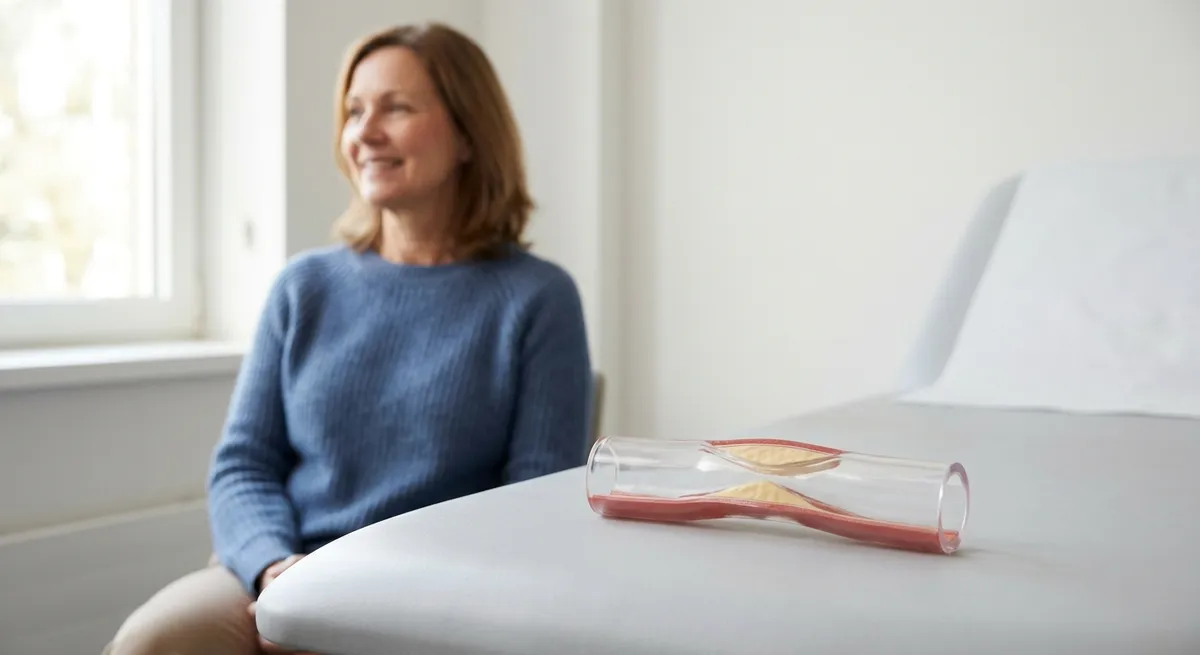
According to Women's Health, which spoke with doctors about the work, new research links nighttime light exposure, including streetlights, hallway lights, and night lights, to early changes in heart structure. Those changes are associated with higher cardiovascular risk.
The experts stress one point: this is an association, not proof of causation. The study doesn't show that a hallway light damages your heart. It shows a link, and that link is enough for the doctors to still recommend a darker bedroom for better sleep and heart health.
That's a reasonable takeaway. Darkening a room is cheap, low-risk, and already part of standard "cool, dark room" sleep advice. The heart angle simply gives you one more reason to do it.
Why light at night is a problem
The general idea behind the advice is that light at night can disrupt your circadian rhythm, your body's internal clock, and interfere with the recovery your heart gets during sleep. I'd treat that as the working explanation, not a proven chain of events from this particular study. What the reporting supports is the pattern: more nighttime light, more early heart changes, in the people studied.
Step 1: Do a lights-out audit
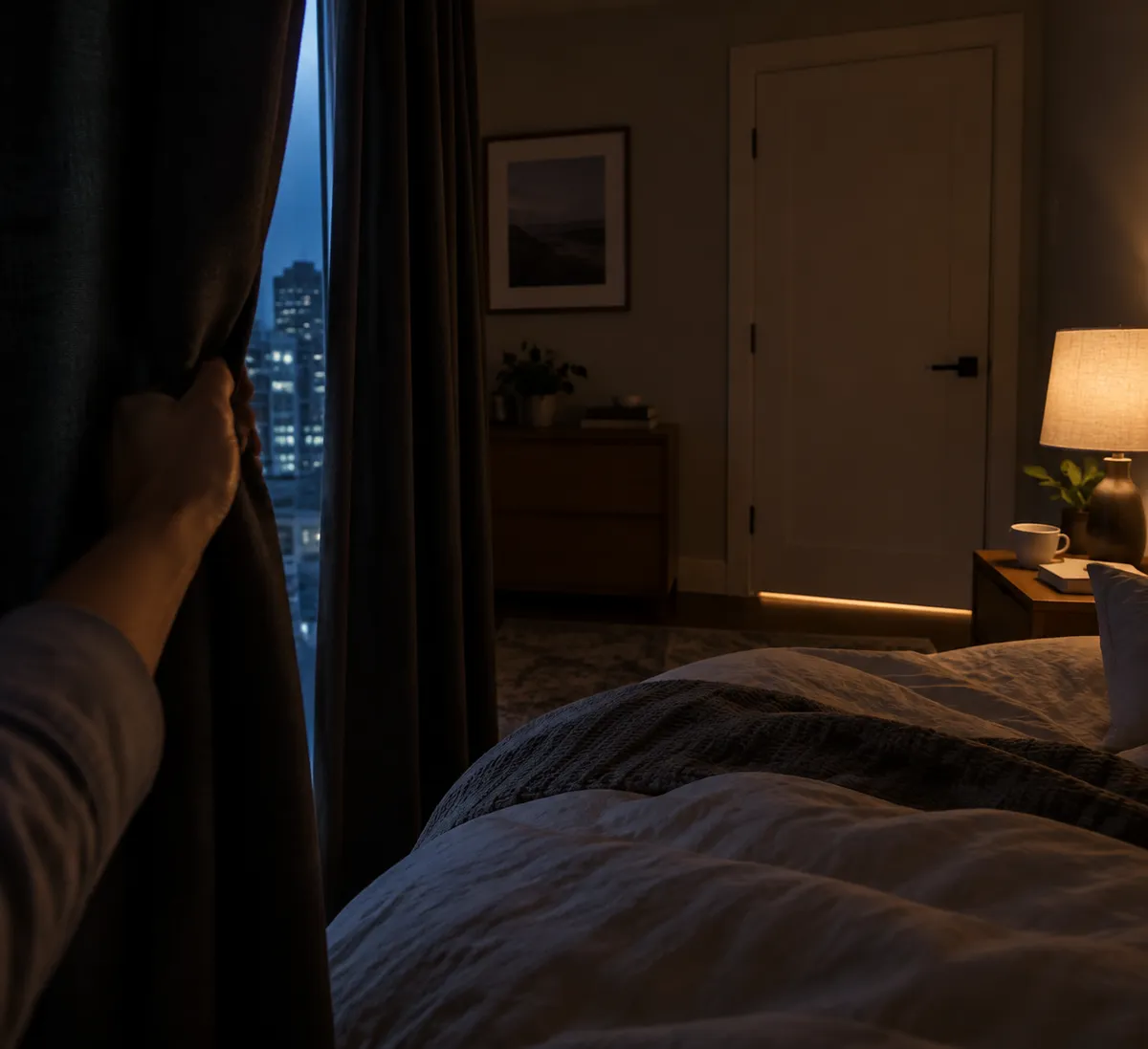
Wait until it's fully dark, switch off the lights, and lie in bed for a minute while your eyes adjust. Then look around like an inspector. Check for:
- Light from outside. Streetlights or neighboring windows coming around the edges of curtains or blinds.
- Light from the hallway. Glow under the door or through a gap, including from a bathroom or landing light left on.
- Night lights. Any plug-in or battery light in the room or just outside it.
- Screens and gadgets. Phones, TVs, chargers, and other devices with standby lights.
Write down every source you find. Most people discover two or three they'd stopped noticing.
Step 2: Fix the biggest sources first
Start with whatever is brightest, usually the window.
Block outdoor light
Blackout curtains are the obvious fix for streetlights. If they don't fit well, the gaps at the sides and top are where light sneaks in, so check those during your audit. If you can't change your window treatments, a sleep mask is a low-cost workaround you can test for a week.
Handle the hallway
Turn off hallway and bathroom lights before bed when you can. If someone in your home needs a light for safety at night, that need is real. In that case, consider keeping it as dim as possible and out of your line of sight rather than eliminating it outright.
Rethink the night light
If you use one out of habit, try going without it for a few nights. If you do need it, choose the dimmest option and place it low and away from the bed.
Cover or move the small stuff
Flip phones face down or move them across the room, and cover or relocate devices with bright standby lights.
Step 3: Build a dimming routine
Darkness at bedtime is easier when the evening leads up to it. In the hour or so before bed, switch from overhead lighting to lamps and keep screens to a minimum. This isn't a rule from the study, just a practical way to make a dark bedroom feel like a natural next step instead of a sudden switch.
Step 4: Test it for two weeks
Change one or two things, then notice how you feel. Do you fall asleep more easily? Wake less often? Feel more rested? Adjust from there. You don't need an elaborate setup; the point is to remove light you don't need.
What this doesn't mean
A brighter bedroom isn't a diagnosis, and a darker one isn't a heart treatment. The research describes early structural changes linked to higher risk, and the experts are careful not to overstate it. If you have heart concerns or sleep problems that don't improve, talk with your doctor rather than relying on curtains.
Tonight's move
Turn off the lights, lie down, and spend sixty seconds looking for light. Fix the brightest source first. It costs almost nothing and, at worst, you'll sleep in a better room.