
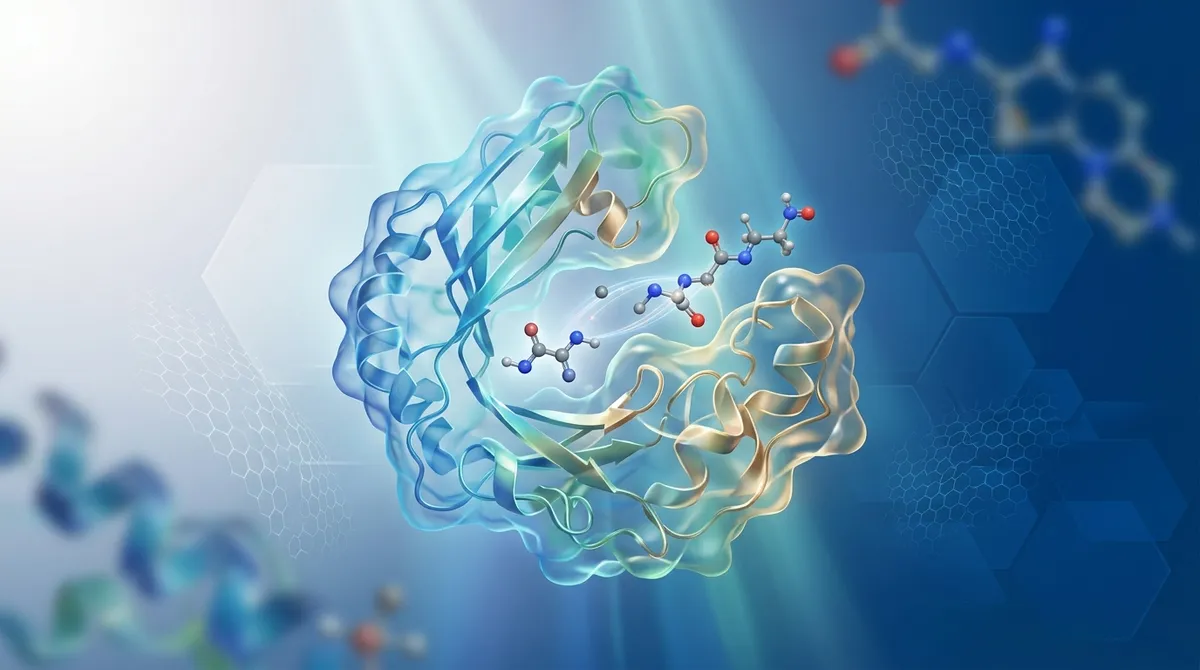
Researchers at the University of Manchester have made a significant breakthrough in drug development by engineering a new family of artificial enzymes. These enzymes can selectively form critical carbon-carbon and carbon-nitrogen bonds—two of the fundamental connections in pharmaceuticals. This innovative research, led by Dr. Zachary Birch-Price and Professor Anthony Green, showcases the potential of engineered enzymes as precise tools for drug synthesis and chemical manufacturing.
The Importance of Carbon-Carbon and Carbon-Nitrogen Bonds
Carbon-carbon and carbon-nitrogen bonds are essential building blocks in the world of chemistry, particularly in pharmaceuticals. Virtually every drug we use relies on these connections to exhibit its therapeutic effects. Traditional methods of forming these bonds often involve harsh chemicals and less selective processes, which can lead to unwanted byproducts and greater environmental impact.
The newly developed 'allylic transferases' by the Manchester team tackle these challenges head-on. By enabling the formation of these key bonds in a more selective manner, the enzymes minimize waste and enhance efficiency, which aligns with the growing demand for greener manufacturing processes.
Programmable Enzymes as Game Changers
The engineered enzymes created in this study represent a leap toward what is known as biocatalysis, an arena poised to reshape chemical manufacturing. Unlike traditional catalysts, which can be limited in their selectivity and scope, these programmable enzymes can be evolved for desired outcomes. This means researchers can fine-tune their properties, allowing them to perform highly specific reactions that are critical for developing complex drugs.
By harnessing the principles of directed evolution—where enzymes are iteratively modified to enhance performance—scientists can create tools that are not only efficient but also versatile in their applications. This flexibility provides a game-changing approach in drug synthesis, paving the way for cleaner and safer production methods.
The Broad Implications for Pharmaceuticals
As the demand for more efficient and environmentally friendly drug manufacturing grows, the development of these engineered enzymes opens exciting new avenues. High conversion rates and high stereochemical purity achieved through these processes can significantly reduce the time and resources needed to synthesize new drugs. Without the need for harsh chemicals, these enzymes lead to a cleaner production environment, which is critical as the pharmaceutical industry faces stricter regulations on waste and environmental impact.
Moreover, the advances in enzyme technology could potentially reduce costs associated with drug development, which is a vital step toward making medicines more accessible to those who need them.
Final Thoughts on the Future of Drug Synthesis
The introduction of engineered enzymes like those from the University of Manchester not only marks progress in the field of chemistry but also signifies a monumental step toward cleaner, more precise drug synthesis. As researchers continue to explore the full capabilities of these programmed enzymatic tools, we stand at the frontier of a new era in pharmaceuticals. The potential for these enzymes to outperform traditional methods is not just promising, it could transform how we think about manufacturing and distributing life-saving medications in the future.