
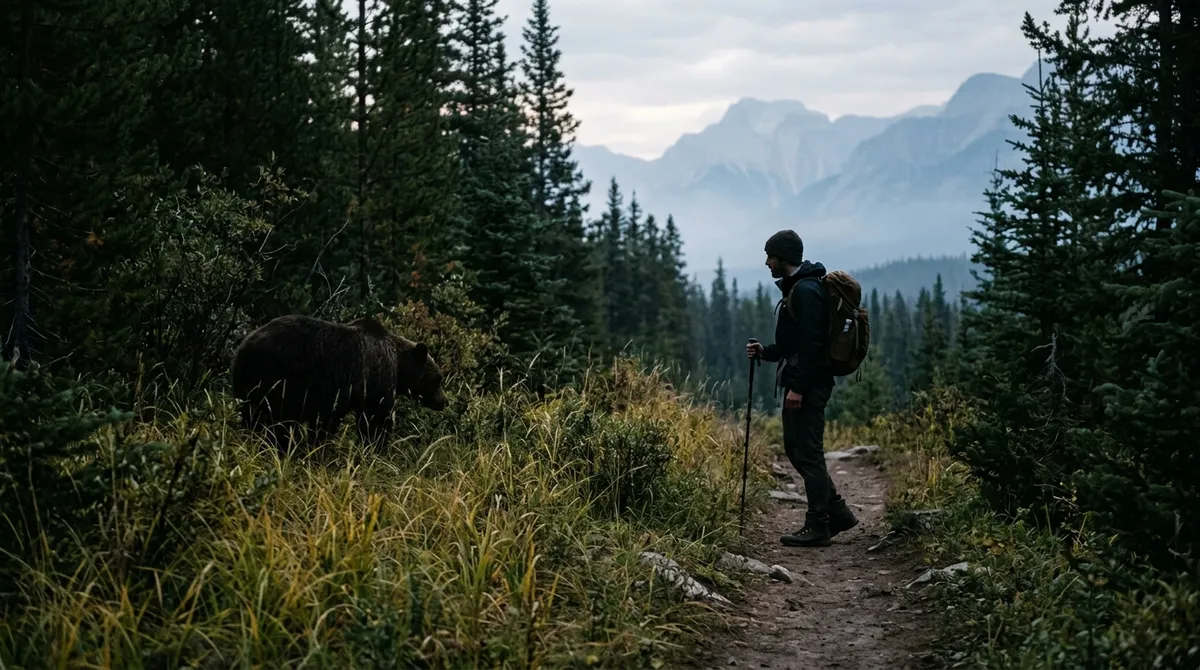
A recent study analyzing nearly 3,500 wildlife incidents in Canadian national parks reveals a surprising finding: quiet, low-impact activities, such as hiking and wildlife observation, are linked to a higher frequency of dangerous encounters with large mammals like elk, bears, and deer. This research raises important questions about safety measures in the great outdoors, particularly as outdoor recreation surges in popularity following the pandemic.
Understanding the Study's Findings
The study, highlighted in new research, indicates that engaging in commonly perceived safe activities can actually heighten the risk of wildlife encounters. While many may associate danger with extreme sports or noisy outdoor activities, the opposite seems true in this case. The researchers found that quieter approaches to nature often catch wildlife off guard, increasing the likelihood of surprise encounters that can escalate to aggression.
Key Risky Wildlife Activity Pairings
The research doesn’t just suggest that quiet activities are risky; it identifies specific high-risk pairing scenarios involving different species. For example:
- Bears: Encountering a bear can be dangerous, especially if you're quietly hiking alone. The element of surprise can lead to unexpected aggression from the animal.
- Elk: Similarly, if you come upon elk quietly, these animals might feel cornered due to their natural instinct to protect their territory or calves.
- Deer: Potentially aggressive deer encounters can arise when hikers are silently passing through their feeding areas.
Understanding these interactions can help you rethink how you approach your outdoor activities.
Practical Safety Measures to Consider
What can you do to minimize risks during these quiet outings? Here are some practical safety tips informed by the study:
Make Some Noise
One of the simplest ways to avoid surprise encounters is to make some noise while you hike. Speaking, singing, or clapping can alert wildlife to your presence and give them the opportunity to move away from your path before you arrive.
Hike in Groups
Consider hiking with a group rather than venturing out alone. Animals are less likely to approach larger groups of people, reducing the chance of a dangerous encounter.
Stay Informed
Always check for park alerts regarding wildlife activity before you head out. Many parks issue warnings about specific areas where encounters with wildlife have been reported.
The Importance of This Research
As outdoor park visitation continues to rise post-pandemic, the implications of this research are significant. For park managers worldwide, understanding which activities provoke wildlife aggression is critical not only for visitor safety but also for wildlife protection. The study's findings could guide strategies for signage, trail maintenance, and even enforcement of park regulations to mitigate conflicts between humans and wildlife.
Conclusion
This study’s revelations call for a reassessment of how we interact with nature. By being more mindful of our activity choices, especially when it comes to noise levels, we can enjoy our parks while ensuring both our safety and the well-being of wildlife. Next time you're heading out for a quiet hike, remember: making a little noise may just keep you safer in the wild.