TL;DR
Citizen science is a powerful tool for biodiversity monitoring, but participation biases can skew wildlife reporting. Understanding these biases helps improve conservation efforts and creates a more inclusive approach to collecting data.
The Power of Citizen Science
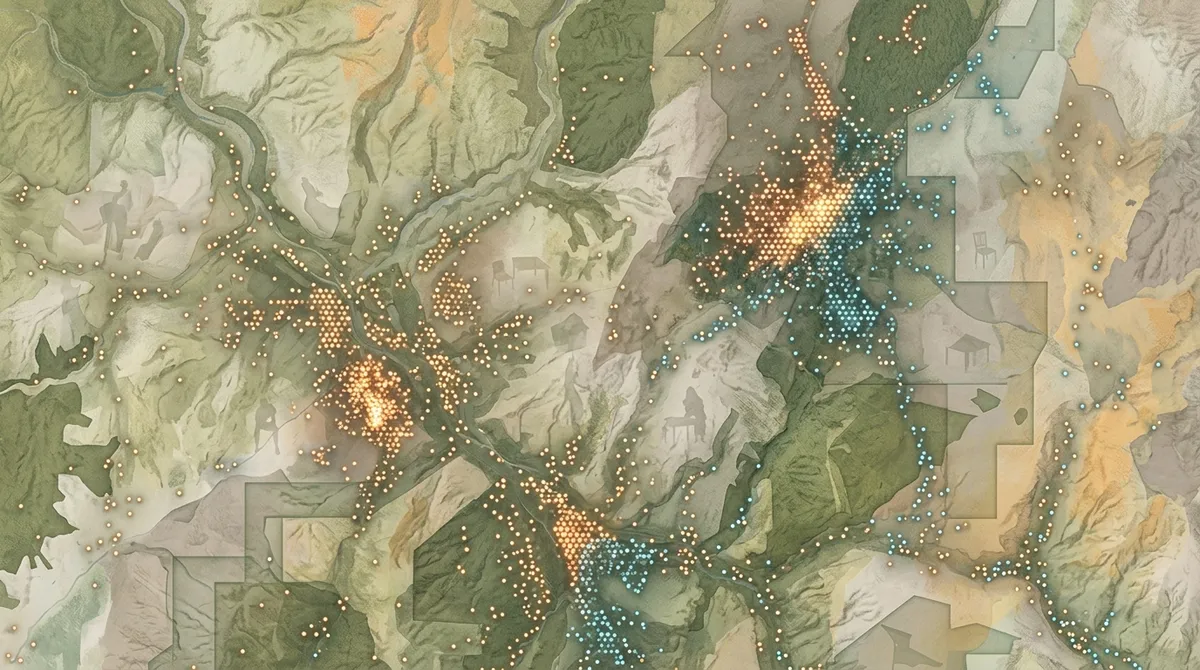
Citizen science is transforming the way we understand and engage with the natural world. By empowering volunteers to submit observations—ranging from bird sightings to insect counts—this collaborative approach enhances our grasp of biodiversity. However, a recent study analyzing over 300,000 citizen science records from Hungary highlights an important caveat: participation bias can significantly shape our understanding of wildlife distributions.
In simpler terms, just because we have an increase in wildlife reports doesn’t necessarily mean more wildlife is thriving in those areas. Today, let's unpack this fascinating concept and discover how biases in citizen science impact conservation efforts.
What is Participation Bias?
Participation bias occurs when certain demographics are more likely to contribute to citizen science projects than others. Factors such as age, education level, income, and geographic location can lead to skewed representations of wildlife data. For instance, individuals living in urban environments, who may have higher levels of education, are often more inclined to report wildlife sightings.
This bias can lead to a false sense of biodiversity in areas that see higher reporting rates, typically protected areas rich in flora and fauna, while underreporting in less accessible regions. Essentially, it’s vital for researchers and conservationists to be aware of these biases to interpret data accurately.
The Hidden Demographics Behind Wildlife Reporting
A closer look at the Hungarian study reveals several key demographic factors influencing wildlife reporting:
- Education: Higher educational attainment correlates with increased likelihood of wildlife reporting. Educated individuals may possess a greater understanding of biodiversity and the ecological importance of their observations.
- Urbanization: Urban dwellers often engage more in citizen science, partly due to accessibility to online platforms and resources. Consequently, rural areas, which could host a diverse range of species, may be underrepresented.
- Income Levels: Wealthier individuals tend to participate more. They may have the leisure time and resources to engage in outdoor activities that facilitate wildlife observation.
- Children in Households: Families with children can represent a unique demographic. For instance, parents often involve their kids in nature activities, expanding the family’s engagement in citizen science.
Why More Reports Don’t Always Mean More Wildlife
While a bump in wildlife reports might sound great for biodiversity, it’s essential to scrutinize that data critically. As highlighted by this research, a concentration of reports from specific demographics often leads to misleading conclusions about ecological health.
For example, a national park experiencing a surge in reported bird sightings may not reflect an actual increase in bird populations. Instead, it might indicate that more educated or urban volunteers are utilizing the park's resources more frequently than those in other areas.
The Value of Biased Data
So, why should we care about biased data from citizen scientists? Despite its imperfections, the data collected remains invaluable. It holds potential for identifying trends in species distribution, understanding seasonal patterns, and gathering public interest around conservation efforts.
Acknowledging these biases allows scientists to adjust their methodologies, ensuring the interpretation of data is more reflective of reality. Additionally, organizations can act preemptively to encourage underrepresented groups to participate, fostering a broader, more inclusive approach.
Designing Better Citizen Science Projects
To enhance the effectiveness of citizen science in wildlife reporting, projects should consider the following:
- Awareness Campaigns: Increase outreach efforts targeting underrepresented demographics, like rural communities or lower-income families. Collaboration with schools and community organizations can help.
- User-Friendly Platforms: Simplifying data submission processes makes it easier for more people to contribute, regardless of their technological expertise.
- Educational Materials: Providing resources that educate participants about local wildlife and the importance of their contributions can engage a broader audience and elevate awareness around conservation efforts.
Conclusion
Understanding the participation biases inherent in citizen science is essential for improving the accuracy and representation of biodiversity data. As citizen science continues to play a crucial role in conservation and ecological studies, acknowledging and addressing these biases can create more meaningful and inclusive projects. By engaging diverse communities, we can contribute to a deeper understanding of our natural world and enhance the effectiveness of conservation strategies. Remember, every sighting counts, but knowing who is reporting those sightings matters just as much!