Virtual reality is already being explored as a drug-free way to manage chronic pain. The catch is that most programs treat everyone the same. New research from the University of East Anglia suggests a fix: let the headset watch your eyes and adjust itself. By the end of this article, you'll know how that works, what the study actually found, and why one result in particular suggests this technology will need to learn you before it can help you.
What the researchers did
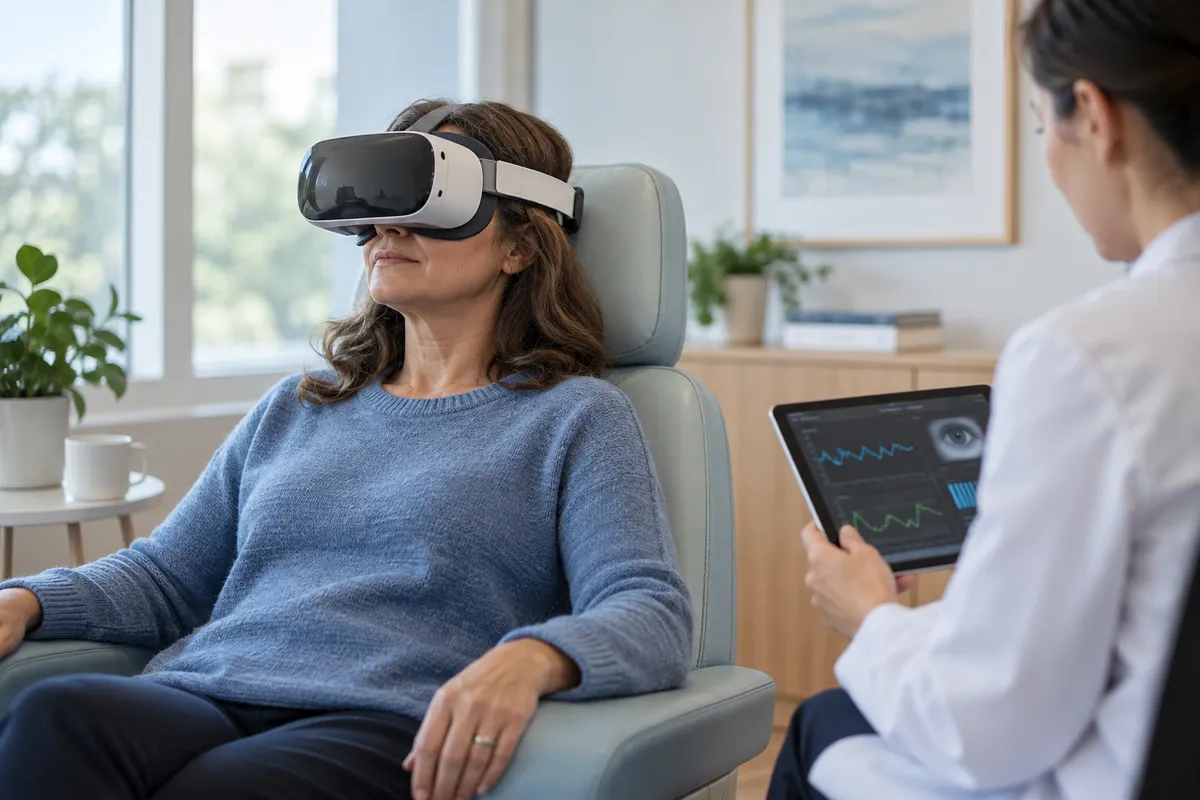
Per Medicalxpress, the University of East Anglia team described the work as world-first research. They combined artificial intelligence (AI) with eye tracking inside virtual reality to detect cognitive load, which is how hard your brain is working at a given moment.
The idea is that a VR therapy could one day read that signal in real time and adapt. If a session is too demanding or not engaging enough, the system could change course without you having to say anything.
Why your eyes reveal mental effort
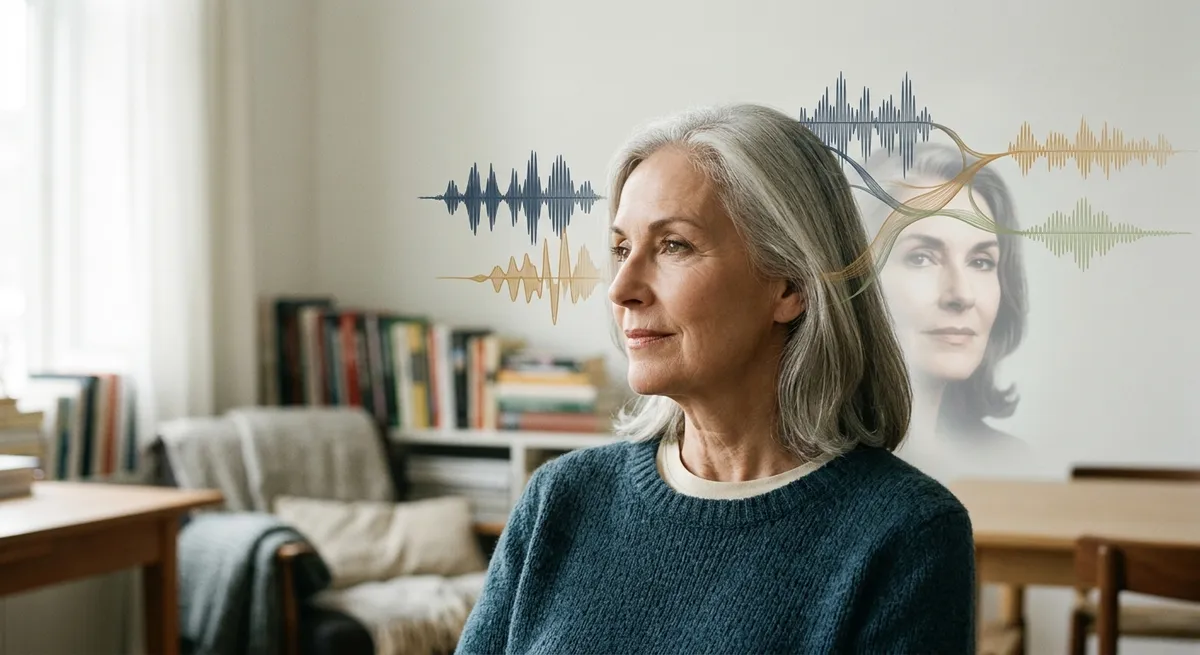
The system looks at two subtle signals: pupil size and blink patterns. Both shift with mental workload, according to the research as reported. You don't control them consciously, which makes them useful. A person in pain may not be able to tell a therapist, moment to moment, how well an exercise is going. Their eyes may already be showing it.
Headsets are increasingly built with eye sensors and AI capabilities, so the hardware for this kind of reading is moving into mainstream devices rather than staying a lab curiosity.
The good news and the catch
The study found strong accuracy at detecting cognitive load in healthy volunteers. That's the encouraging part: the basic concept works.
Performance was lower in people with chronic pain. That's the part that matters most for real-world use. A model trained on healthy people's eyes doesn't read patients' eyes as well.
The researchers' takeaway, as summarized in the report, is the need for individual calibration. In plain terms, a one-size-fits-all AI isn't enough. The system would likely need to learn each person's own patterns, since pain may change how the eyes respond to mental effort.
That's our reading of the finding, not a claim from the study: it's plausible that the people who most need adaptive therapy are the very people a generic model reads least reliably. Calibration is how you close that gap.
Why this matters for chronic pain
Chronic pain affects an estimated 1.5 billion people worldwide, per the report. Demand is growing for personalized, drug-free options, and VR fits that interest. An adaptive version could, in principle, tune difficulty or content to your state in the moment rather than following a fixed script.
This is still research, not a product you can ask for at a clinic. The study doesn't show that adaptive VR reduces pain. It shows that eye signals plus AI can detect cognitive load, with accuracy that varies by group.
What "smart VR therapy" might look like
Based on the study's direction, here's a realistic picture of what to watch for:
- A calibration step. Expect a short setup period where the headset learns your baseline pupil and blink behavior.
- Quiet adjustments. Rather than asking how you feel, the program would respond to your signals.
- Personal models. Because patient accuracy dropped, systems tuned to the individual are likely to outperform generic ones.
Beyond pain
The same approach of reading mental workload to adapt a session could extend to other areas, such as anxiety, depression, and training, which the report flags as possible directions. Those are possibilities, not results from this study.
What to do with this now
If you live with chronic pain, treat adaptive VR as a development to follow, not a treatment to wait for. Ask your care team about evidence-based options available today, and when VR programs come up, ask one question: has this been tested in people with chronic pain, not just healthy volunteers? That's exactly the gap this research highlights.