
Breaking New Ground in Transplant Medicine
Briana Dery of Twining, Michigan, has made medical history as the first person in the state to receive a combined intestinal and kidney transplant in a single operation. At 33 years old, Dery's groundbreaking surgery represents a significant milestone in transplant medicine and offers new hope for patients facing complex organ failure.
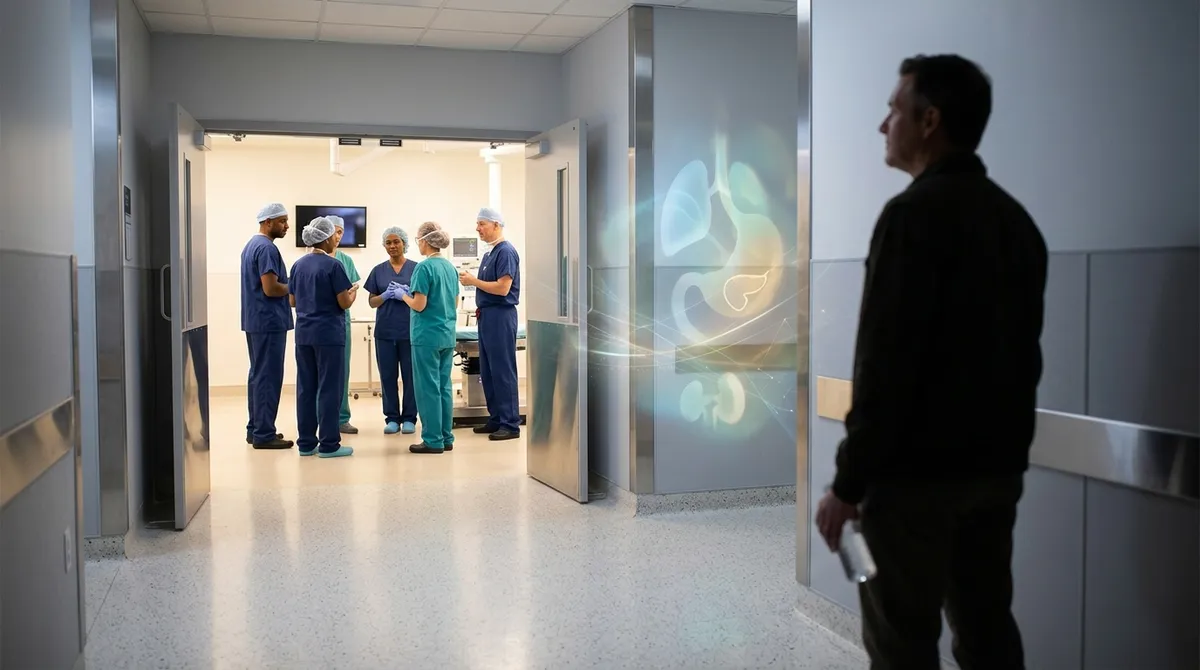
According to reports, the 10-hour procedure was performed by a coordinated team at Henry Ford Health, marking a rare achievement in the field of transplant surgery. Combined intestinal-kidney transplants are exceptionally uncommon, with only 56 such procedures ever performed in the United States, making Dery's case particularly noteworthy.
The Complexity of Dual-Organ Transplantation
The rarity of combined intestinal-kidney transplants stems from the surgical complexity and coordination required for such procedures. Reports indicate that the intestine was once referred to as the "forbidden organ" in transplant medicine, highlighting the technical challenges associated with intestinal transplantation.
The 10-hour operation required precise teamwork from the Henry Ford Health transplant team, demonstrating how far transplant medicine has advanced in treating patients once considered too complex or high-risk for such procedures.
An 18-Year Journey to Recovery
Dery's path to transplantation was marked by an 18-year struggle with life-threatening illness, according to reports. Her journey included repeated complications and organ failure, making her case particularly challenging for medical teams.
The successful completion of her combined transplant represents not just a personal victory for Dery, but also a testament to advances in transplant medicine that are expanding treatment options for patients with complex medical conditions.
Expanding Possibilities in Transplant Care
This milestone procedure reflects broader trends in transplant medicine, where medical teams are increasingly able to help patients who previously had limited treatment options. The success of combined organ transplants demonstrates how surgical techniques and coordination protocols have evolved to handle increasingly complex cases.
Reports suggest that such procedures are changing what's possible in transplant medicine, offering hope to patients facing multiple organ failure who might not have been candidates for transplantation in the past.
Looking Toward a Healthy Future
Following her successful surgery, Dery is reportedly looking ahead to a healthy future after nearly two decades of illness. Her case serves as an example of how medical breakthroughs can transform lives and provide new possibilities for patients facing seemingly insurmountable health challenges.
The achievement at Henry Ford Health also positions Michigan as a center for advanced transplant care, potentially attracting other patients who need complex procedures and furthering research in the field.
Implications for Future Care
The success of Michigan's first combined intestinal-kidney transplant has broader implications for the future of transplant medicine. As surgical techniques continue to advance and coordination between medical teams improves, more patients with complex conditions may become candidates for life-saving procedures.
This milestone demonstrates how transplant medicine continues to push boundaries, offering hope to patients who might have had limited options in the past. The rarity of such procedures underscores the significance of successful outcomes and their potential impact on future treatment protocols.
Briana Dery's historic surgery represents more than just a medical first for Michigan—it exemplifies the ongoing evolution of transplant medicine and the dedication of medical teams working to expand the realm of what's possible for patients facing complex organ failure.