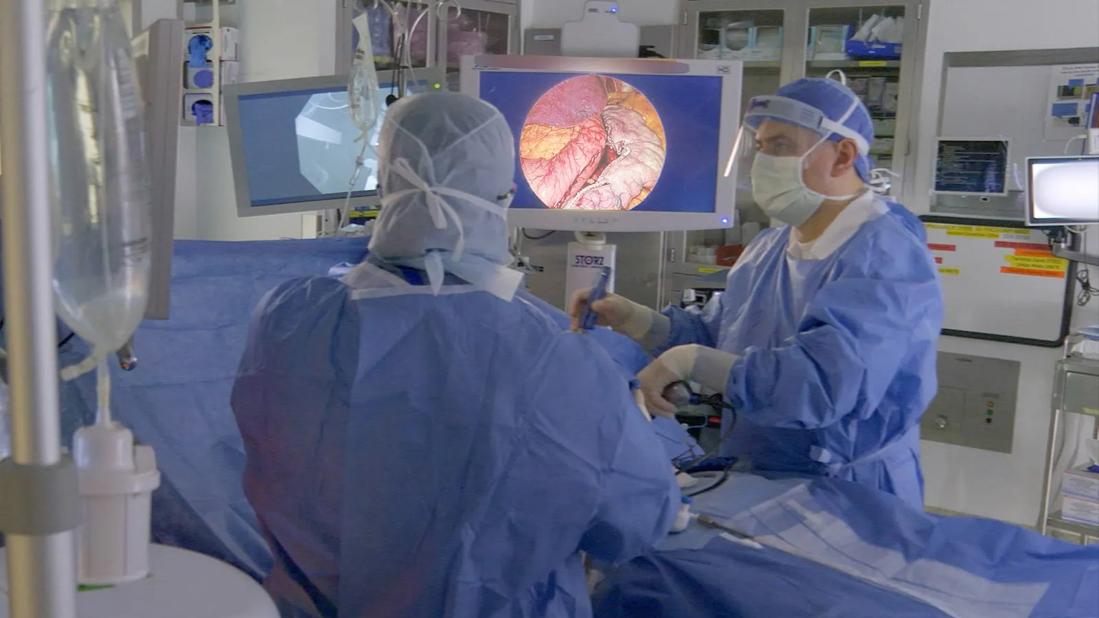

Gleevec changed the expectations for cancer treatment by proving that a pill could target a genetic defect driving a deadly disease. More than two decades after its approval, imatinib remains a landmark in precision oncology and a daily lifeline for many people with chronic myeloid leukemia.

How Gleevec Redefined Modern Cancer Care
Before Gleevec, chronic myeloid leukemia, often called CML, was frequently life-threatening within a few years. Treatment options were limited, difficult, and often harsh. Bone marrow transplant could help some patients, but many were not eligible. Interferon therapy worked for some, yet side effects made long-term use challenging.
Gleevec, known generically as imatinib, introduced a different idea. Instead of attacking rapidly dividing cells broadly, it focused on a specific molecular engine inside cancer cells. That approach helped turn CML from a fatal diagnosis into a manageable long-term illness for many patients.
The drug became one of the clearest early successes of targeted cancer therapy. It also helped establish the wider field of precision medicine, where doctors use the biology of a tumor to guide treatment choices.
The Genetic Discovery Behind the Breakthrough
The story of Gleevec begins with the Philadelphia chromosome, an unusual genetic change found in most cases of CML. This abnormal chromosome forms when pieces of two chromosomes swap places. The rearrangement creates a fused gene called BCR-ABL.
That fused gene produces an overactive enzyme called a tyrosine kinase. In healthy cells, these enzymes help control growth signals. In CML cells, BCR-ABL behaves like a stuck accelerator. It repeatedly tells white blood cells to grow and divide.
Researchers realized that if they could block that abnormal signal, they might stop the disease at its source. Imatinib was designed to do exactly that. It binds to the BCR-ABL protein and shuts down the faulty signal that fuels leukemia cell growth.
A Pill That Changed Patient Outcomes
When clinical trials began, responses were striking. Many patients saw their blood counts return toward normal. Deeper testing showed that cancer-driving cells were dropping to very low levels in large numbers of participants.
The results were especially important because Gleevec was taken by mouth. For patients, that meant treatment could often happen at home rather than through repeated hospital-based chemotherapy. The shift also changed the daily experience of living with leukemia.
Gleevec did not erase every challenge. Patients still needed regular monitoring. Many stayed on treatment for years. Some developed side effects or resistance. Even so, survival improved dramatically compared with the era before targeted therapy.
Why Gleevec Became a Model for Precision Oncology
Gleevec showed that a cancer drug could be built around a specific genetic abnormality. That lesson shaped cancer research far beyond leukemia. Scientists began searching for other tumors driven by targetable mutations, altered proteins, or abnormal signaling pathways.
The drug also proved that understanding cancer biology could lead to less generalized treatment. Traditional chemotherapy can affect cancer cells and healthy cells because both may divide quickly. Targeted therapy aims for a critical feature that cancer cells depend on more heavily.
This concept now guides many treatment plans. Lung cancer, melanoma, breast cancer, colorectal cancer, and several blood cancers may be tested for genetic markers. Those markers can help doctors choose targeted drugs, immunotherapies, or clinical trials.
Beyond Leukemia: Gleevec and Other Cancers
Although Gleevec is best known for CML, its impact did not stop there. The drug also proved effective in certain gastrointestinal stromal tumors, or GIST. Many GIST cases are driven by abnormal KIT or PDGFRA proteins, which imatinib can inhibit.
For patients with advanced GIST, Gleevec became an important treatment option. It also helped confirm that the same targeted drug strategy could work in solid tumors, not only blood cancers.
Imatinib is also used in several less common conditions linked to sensitive molecular targets. These include certain rare blood disorders and tumors where the drug’s kinase-blocking activity can play a useful role.
Resistance and the Next Generation of Treatments
Over time, doctors learned that some patients stop responding to Gleevec. Resistance can happen when cancer cells acquire new mutations that prevent the drug from binding effectively. In other cases, the disease may progress for more complex reasons.
This challenge led to the development of newer tyrosine kinase inhibitors. Drugs such as dasatinib, nilotinib, bosutinib, and ponatinib can help many patients whose leukemia does not respond well to imatinib. Each drug has different strengths, risks, and monitoring needs.
The rise of these therapies created a more flexible treatment landscape for CML. Doctors can now switch medications when response is inadequate or side effects become difficult. This has improved long-term disease control for many patients.
Living Long Term With CML
For many people, CML is now treated as a chronic condition. Patients often take a tyrosine kinase inhibitor daily and undergo blood tests that measure the level of BCR-ABL. These tests help doctors see whether the disease remains controlled at a molecular level.
Long-term treatment can still affect quality of life. Some patients experience swelling, muscle cramps, fatigue, nausea, skin changes, or other symptoms. Others tolerate therapy well but find the routine and uncertainty emotionally draining.
Medication adherence remains essential. Missing doses can reduce disease control and may increase the risk of relapse. For that reason, cancer teams often work closely with patients to manage side effects, costs, and daily treatment routines.
Can Some Patients Stop Treatment?
One of the most important areas in CML research is treatment-free remission. This approach asks whether some patients with a deep, stable molecular response can safely stop therapy under close medical supervision.
Studies have shown that a carefully selected group can remain off medication without immediate return of disease. Others relapse molecularly and need to restart treatment. In many cases, restarting the drug brings the leukemia back under control.
This strategy is not appropriate for everyone. It requires sustained deep response, reliable testing, and expert guidance. Still, it represents a major shift from the early days of CML, when long-term survival itself was the central goal.
The Cost and Access Debate
Gleevec also became part of a broader conversation about cancer drug pricing. As a breakthrough therapy, it generated enormous demand and revenue. Even after generic imatinib became available, affordability remained a concern for some patients.
High out-of-pocket costs can create barriers to consistent treatment. Insurance coverage, pharmacy benefits, assistance programs, and generic competition all influence what patients actually pay. For a lifelong medicine, those details matter.
The debate around Gleevec reflects a larger question in oncology. Society wants rapid innovation, but patients must also be able to access the treatments that research makes possible.
What Gleevec Taught Cancer Researchers
Gleevec’s success encouraged researchers to look for cancer dependencies with greater precision. It strengthened the case for genomic testing, biomarker-driven trials, and drugs designed around specific molecular structures.
At the same time, it also revealed the limits of targeted therapy. Not every cancer depends on one dominant driver. Many tumors evolve, adapt, and use backup pathways. Solid tumors often contain multiple cell populations with different mutations.
That complexity has pushed the field toward combination strategies. Researchers now study targeted drugs alongside immunotherapy, chemotherapy, radiation, and other approaches. The goal is to block cancer more effectively while limiting harm to healthy tissue.
A Lasting Legacy in Cancer Medicine
Gleevec remains one of the most important cancer drugs ever developed because it changed both science and expectations. It showed that deep knowledge of a cancer’s genetic machinery could lead to dramatically better treatment.
For patients with CML, the difference has been profound. A disease once associated with limited survival can now often be controlled for decades. For cancer researchers, the drug provided a roadmap for turning molecular discoveries into practical therapy.
The future of oncology will not be built on one medicine alone. Yet Gleevec continues to stand as a milestone. It proved that targeted cancer treatment could move from theory to everyday clinical care, and it opened doors that researchers are still walking through today.
#gleevec #cancer treatment #precision medicine #leukemia research