
The United States is poised to reconsider its approach to marijuana classification, marking a significant shift in federal policy. This move could have far-reaching implications for legislation, the economy, and social justice. As discussions unfold, stakeholders are keenly observing the potential changes that could redefine how marijuana is perceived and regulated across the nation.
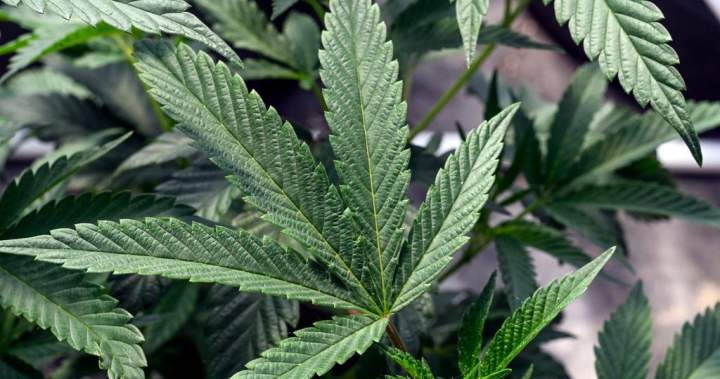
The Current Classification of Marijuana
Currently, marijuana is classified as a Schedule I substance under the Controlled Substances Act. This categorization places it alongside drugs like heroin and LSD, indicating a high potential for abuse and no accepted medical use. However, this classification is increasingly seen as outdated, given the growing body of research supporting marijuana’s medical benefits and its legalization in several states for recreational use. As public perception shifts, the federal government’s stance is being re-evaluated.
Implications of Reclassification
Reclassifying marijuana could lead to profound changes in various sectors. For the healthcare industry, it might ease restrictions on research, allowing scientists to explore the full therapeutic potential of cannabis. This could lead to the development of new treatments for chronic pain, epilepsy, and other conditions. Economically, reclassification could stimulate growth by paving the way for a federally regulated market, providing new business opportunities and boosting tax revenue.
Social Justice Considerations
Beyond economic and medical implications, reclassification could address social justice issues. Many advocates argue that current laws disproportionately affect minority communities, contributing to higher incarceration rates. A change in federal classification could lead to the expungement of past criminal records related to marijuana offenses, promoting equity and offering new opportunities for those previously penalized under outdated laws.
Political Landscape and Challenges
The reclassification of marijuana is not without its challenges. Politically, it requires navigating a complex landscape where opinions vary widely. While some lawmakers support easing restrictions, others remain cautious, citing concerns over public health and safety. The process involves multiple federal agencies, including the Department of Health and Human Services and the Drug Enforcement Administration, each with its own set of criteria and considerations.
Public Opinion and State Laws
Public opinion has increasingly favored legalizing marijuana, with many Americans supporting its medical and recreational use. This shift is reflected in state laws, where more states have legalized or decriminalized cannabis. However, federal reclassification would create a uniform legal framework, potentially resolving conflicts between state and federal regulations and offering clearer guidelines for businesses and consumers alike.
The Path Forward
As the United States considers marijuana reclassification, the journey ahead involves balancing scientific evidence, economic potential, and social justice. Stakeholders from various sectors are likely to influence the outcome, each advocating for policies that align with their interests and values. While the path forward is complex, the potential benefits of reclassification could usher in a new era of cannabis regulation that aligns more closely with contemporary understanding and societal needs.
#marijuana #reclassification #cannabis #legalization #socialjustice