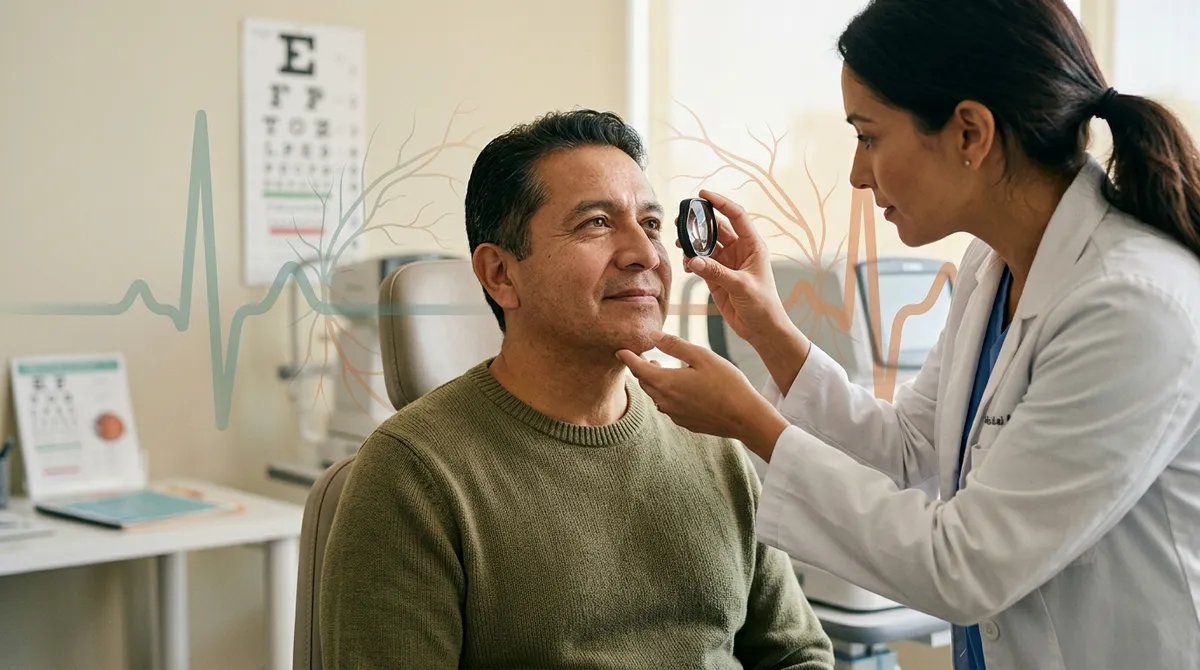

Breaking Down the Eczema-Eye Connection
A groundbreaking population-based cohort study has revealed an unexpected link between atopic dermatitis (AD) and serious eye complications. According to research published in Ophthalmology Retina, adults with atopic dermatitis showed significantly higher five-year rates of retinal detachment and required more retinal detachment repairs compared to matched controls.
This finding challenges the traditional view of atopic dermatitis as solely a skin condition, suggesting broader systemic implications that both patients and healthcare providers need to consider.
What the Research Reveals
The study found that people with a history of atopic dermatitis face elevated risks beyond the initial retinal detachment event. According to reports, AD patients also experienced increased postoperative complications, including proliferative vitreoretinopathy and the need for complex surgical repairs.
These findings suggest that chronic inflammation associated with atopic dermatitis may affect more than just the skin, potentially impacting delicate eye structures and healing processes.
Why This Matters for Eczema Patients
For the millions of adults living with atopic dermatitis, this research highlights the importance of comprehensive healthcare approaches. The connection between AD and retinal detachment adds urgency to cross-specialty screening and patient education efforts.
Retinal detachment is a serious eye emergency that can lead to permanent vision loss if not treated promptly. Understanding that eczema patients may face higher risks could help with earlier detection and intervention.
Warning Signs to Watch For
While the study doesn't specify exact symptoms to monitor, retinal detachment typically presents with several warning signs that AD patients should be particularly aware of:
- Sudden appearance of floaters or flashes of light
- A shadow or curtain effect across the visual field
- Sudden decrease in vision
- Distorted or blurred vision
Given the increased risk identified in the research, people with atopic dermatitis should be especially vigilant about these symptoms and seek immediate eye care when they occur.
Questions for Your Healthcare Team
This research creates new opportunities for important conversations between patients and their healthcare providers. AD patients should consider asking their dermatologist about potential eye-related complications and whether referrals to ophthalmologists are recommended.
Key questions might include inquiries about the frequency of eye exams, specific symptoms to monitor, and how the chronic inflammatory nature of atopic dermatitis might affect overall eye health.
The Broader Implications
As chronic inflammatory conditions receive increased attention in medical research, these findings contribute to a growing understanding of how conditions like atopic dermatitis can have far-reaching effects throughout the body.
The research suggests that the inflammatory processes underlying eczema may influence healing and complications in other organ systems, including the delicate structures of the eye.
Looking Forward
While this study provides important insights, it's crucial for patients to understand what the findings do and don't mean. The research identifies an association and increased risk, but doesn't suggest that everyone with atopic dermatitis will develop retinal detachment.
However, the findings do support the importance of comprehensive healthcare approaches that consider potential connections between different body systems. For people with atopic dermatitis, this might mean more proactive eye health monitoring and better communication between dermatologists and ophthalmologists.
As our understanding of chronic inflammatory conditions continues to evolve, studies like this one help healthcare providers and patients make more informed decisions about screening, prevention, and treatment strategies across multiple specialties.