
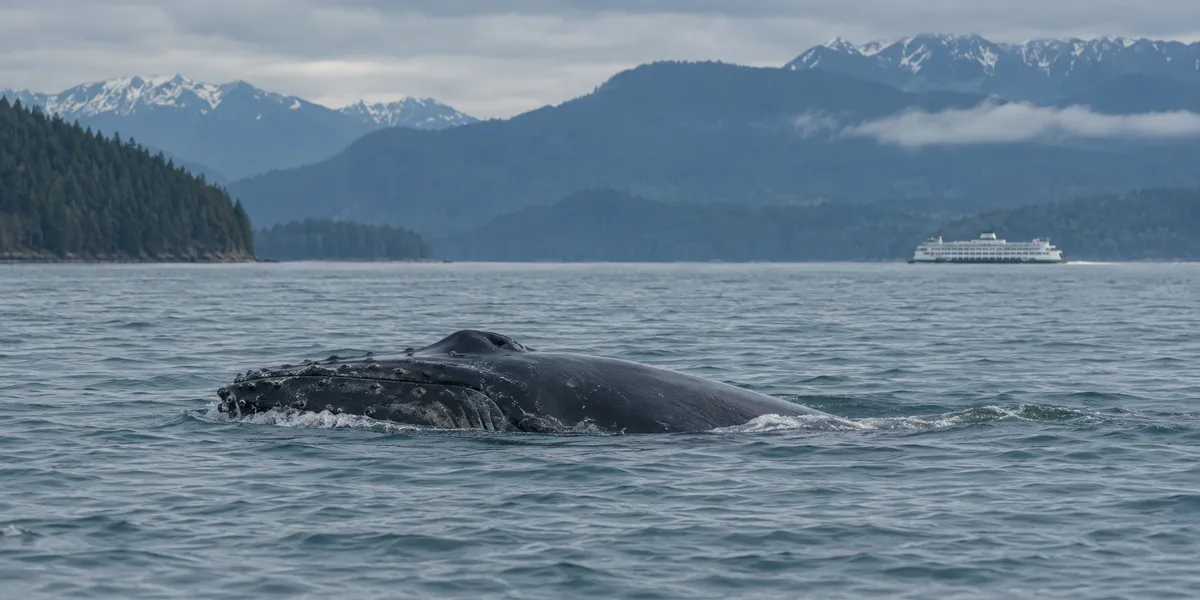
If the death of a whale, a burned forest, or a vanished species has left you feeling heavy, you are not overreacting. You are experiencing something researchers call ecological grief. This article explains what it is and gives you practical ways to move through it, using one whale's story as a guide.
The story behind the grief
According to a report originally published by Phys, Notcho, a humpback whale, died after being struck by a BC Ferries vessel. The article uses her death to explain how people process environmental loss, and it argues that action, emotional expression, and meaningful mourning practices can all help communities cope.
The setting matters. Per the report, whale populations are recovering in busy waters like the Salish Sea. That is good news for conservation. It also means more whales share space with human traffic, so collisions are becoming more visible and emotionally charged.
What ecological grief is, and why it's normal
Ecological grief is the sorrow people feel over the loss of animals, ecosystems, and climate-related changes. It is not a diagnosis, and it is not a sign that something is wrong with you. The Phys piece points to a broader cultural shift toward recognizing grief for animals, ecosystems, and climate losses as valid.
That validation matters for mental health. Grief that gets dismissed ("it was just a whale") tends to go underground. Naming it as real grief is often the first step toward working through it.
Signs you may be feeling it:
- You keep returning to news about a specific animal or place.
- You feel sadness or anger that seems bigger than the headline.
- You feel helpless, as if nothing you do could matter.
These are common reactions to loss, not evidence of weakness.
Two ways to respond: act or mourn
The report frames two broad responses to environmental loss. Both help, and they work best together.
Take action
Grief often carries an urge to fix something. Channeling it into action can restore a sense of agency. For a story like Notcho's, action focuses on prevention: supporting efforts to reduce collisions between vessels and whales in shared waters. Pick one concrete step rather than trying to carry the whole problem. That might be supporting a local marine conservation group, or learning about the risks whales face where you live.
Let yourself mourn
Action alone can become a way to outrun sadness. The article argues that emotional expression and meaningful mourning matter just as much. Some ways to do this:
- Say it out loud. Tell a friend that a news story hit you hard.
- Write it down. A few sentences about what the loss means to you is enough.
- Share it with others. Communities that grieve together tend to feel less alone with it.
Why recovery doesn't mean safety
It can seem contradictory to mourn a whale when populations are rebounding. But recovery and risk exist side by side. When more animals return to busy waters, more encounters with ships are possible. Notcho's death shows that a conservation success can still carry human-made dangers. Holding both truths, hope and sorrow, is part of healthy coping.
How to create a respectful personal ritual
Rituals give grief a shape. If you want to mark a nature loss, you can build a simple one of your own. The report's framing stresses doing this respectfully, without appropriating Indigenous ceremony. In practice, that means creating something personal and plain rather than borrowing sacred practices that are not yours.
Ideas that stay in your own lane:
- Choose a moment. Set aside ten minutes, perhaps at the water's edge or at a window.
- Name the loss. Say or write what you are mourning and why it matters to you.
- Add a small gesture. Light a candle, place a stone, or take a quiet walk.
- Close with a commitment. Decide on one small action that honors what was lost.
If you want to learn about how Indigenous communities honor animals and place, seek out their own public voices and events, and listen rather than adapt.
When grief needs more support
Ecological grief is a natural response, but if sadness is interfering with sleep, work, or relationships for an extended period, talk with a doctor or a mental health professional. Environmental loss is a legitimate thing to bring to therapy.
The takeaway
The next time a loss like Notcho's weighs on you, do two things: give the sadness a name and a small ritual, then pair it with one concrete action. Grief and care belong together.