
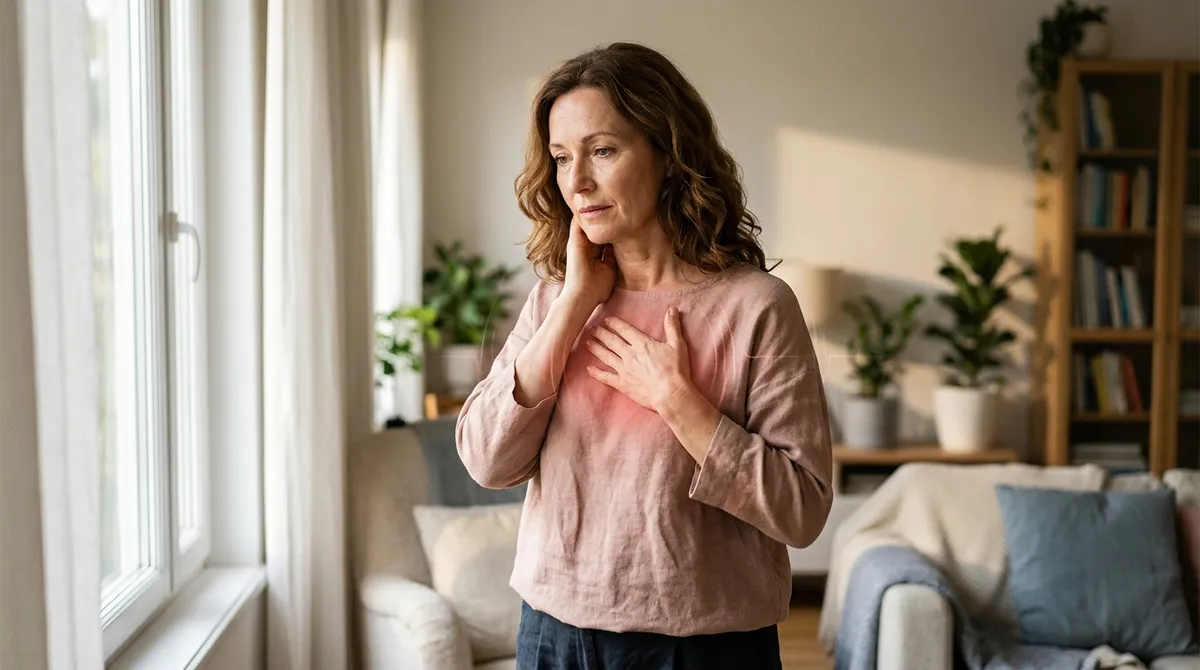
The Hidden Heart Attack Crisis
Heart attacks kill more women than all cancers combined, yet the warning signs in women are frequently missed, misread, or misdiagnosed, according to medical experts. The problem lies in a dangerous misconception: women's heart attack symptoms often don't match the textbook presentations typically seen in men.
A longevity doctor has identified five critical warning signs that women should never ignore—symptoms that are often dismissed as stress, poor stamina, or digestive issues when they could actually signal an impending heart attack.
The Five Warning Signs Women Must Know
Unusual Fatigue
This isn't your typical end-of-day tiredness. According to reports, this fatigue can appear days or even weeks before a heart attack and persists despite adequate rest. Unlike normal tiredness that improves with sleep, this overwhelming exhaustion doesn't respond to typical recovery methods.
Shortness of Breath Without Chest Pain
Many women experience difficulty breathing during normal daily activities without the classic chest pain associated with heart problems. This symptom can occur independently and may be mistakenly attributed to poor fitness or stress rather than a cardiovascular emergency.
Atypical Pain Locations
While men typically experience chest pain, women often feel discomfort in unexpected areas. Pain in the jaw, neck, upper back, or shoulders—particularly on the left side—may feel like a pulled muscle but could indicate heart trouble. This type of pain is frequently overlooked because it doesn't match the conventional heart attack narrative.
Nausea and Indigestion
Digestive symptoms like nausea and indigestion are commonly mistaken for heartburn or gastrointestinal problems. These symptoms can be particularly misleading because they seem unrelated to heart health, causing women to seek treatment for the wrong condition or dismiss the symptoms entirely.
Cold Sweats and Lightheadedness
Sudden onset of cold sweats or feelings of lightheadedness without a clear cause can signal cardiac distress. These symptoms are often attributed to hormonal changes, stress, or other non-cardiac causes, delaying critical medical intervention.
Why Women's Symptoms Go Unrecognized
The medical community has long operated under a "chest pain" stereotype for heart attacks, largely based on how the condition presents in men. This has created a dangerous knowledge gap that leaves women vulnerable to misdiagnosis and delayed treatment.
Women's heart attack symptoms are frequently dismissed by both patients and healthcare providers because they don't align with the dramatic chest-clutching scenarios often portrayed in media and medical training. This disconnect between expectation and reality can have life-threatening consequences.
The Urgency of Recognition
The stakes couldn't be higher. When women don't recognize these warning signs—or when their symptoms are misinterpreted—valuable time is lost. Early recognition and treatment of heart attack symptoms significantly improve outcomes and can mean the difference between life and death.
Medical experts emphasize that education about these gender-specific symptoms is not just helpful—it's potentially life-saving. Women need to understand that their bodies may signal cardiac distress differently than men's bodies do.
Taking Action
The key message is clear: women should trust their bodies and seek medical attention when experiencing these symptoms, especially if they persist or occur in combination. Rather than dismissing unusual fatigue, unexplained shortness of breath, or atypical pain as stress or minor health issues, women should consider the possibility of cardiac involvement.
Healthcare providers also need to maintain awareness of these gender differences when evaluating symptoms in female patients. The traditional focus on chest pain as the primary indicator of heart problems may need to expand to include these more subtle but equally serious warning signs.
By understanding and recognizing these five warning signs, women can become better advocates for their own cardiovascular health and potentially save their own lives through early intervention and proper medical care.