
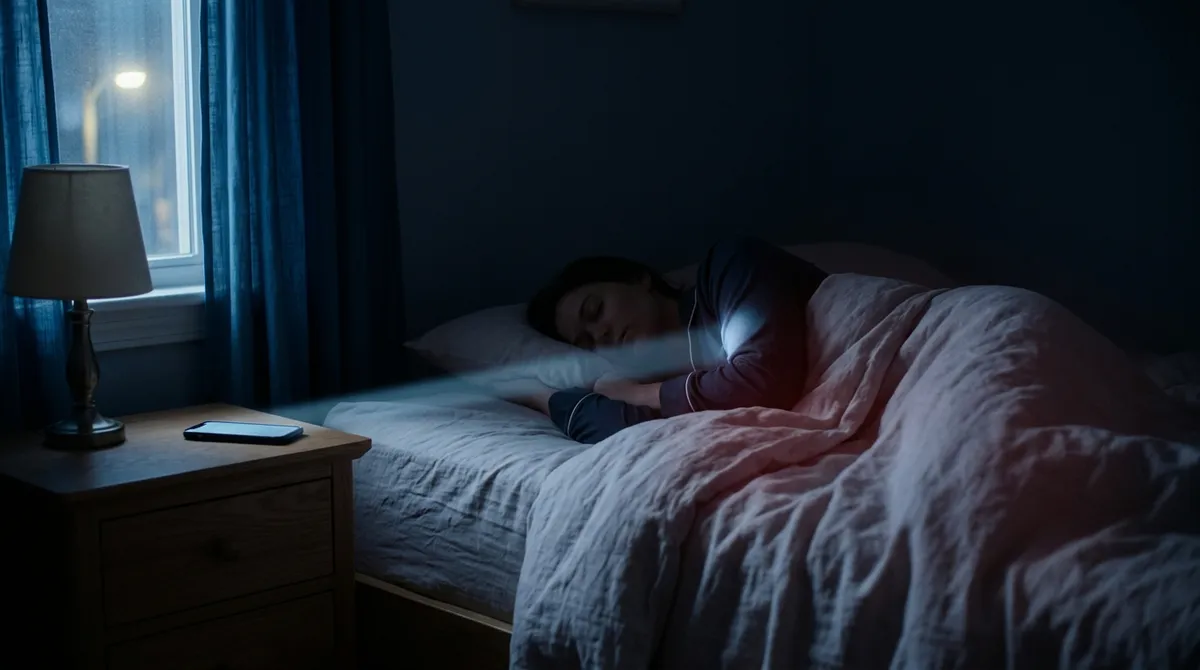
In a world where nighttime light exposure is becoming increasingly common, a recent study from the UK Biobank provides an urgent reminder about its potential health risks. This study found a troubling link between higher levels of artificial light at night and early changes in heart structure and function. Specifically, the findings indicate that such exposure might lead to thicker ventricular walls, reduced chamber space, and cardiac remodeling, which could elevate the risk of cardiovascular disease.
Why Nighttime Light Matters for Heart Health
The pervasiveness of artificial light—be it from city streets, electronic devices, or indoor lighting—means that many of us are exposed to light even during the hours when our bodies are meant to rest. The UK Biobank study suggests that this disruption may interfere with our sleep and circadian rhythms, thus contributing to negative changes in heart health. As our lives become more intertwined with technology, the appeal of late-night screen time poses a real risk.
Assess Your Sleep Environment: Is Your Bedroom Dark Enough?
Evaluate Current Light Exposure: Take note of all light sources in your bedroom. Are streetlights shining in through the window? Is your phone charging next to your bed? Each of these could be impacting your heart health by disrupting your natural sleep patterns.
Experiment with Blackout Curtains: Consider installing blackout curtains to block external light sources effectively. This not only aids sleep quality but may also protect your heart by allowing deeper rest.
Replace Bright Light Bulbs: Opt for warmer light bulbs in your bedroom. White LEDs often emit blue light, which can interfere with melatonin production and disrupt circadian rhythms—important factors for both sleep and heart health.
Limit Screen Time Before Bed: Aim to turn off screens at least one hour before sleeping. The bright displays on phones, tablets, and computers emit blue light, which has been associated with sleep disruption.
Use an Eye Mask: If external light sources aren’t easily controllable, wearing an eye mask can create a darker environment that promotes better sleep.
Simple Steps to Reduce Nighttime Light Exposure
Reducing nighttime light doesn't have to be overwhelming. Here are some straightforward tips:
- Identify All Light Sources: Go around your bedroom and document everything that generates light. Consider how you can minimize or eliminate this exposure during the night.
- Adjust Your Sleep Settings: Explore features like night mode on your devices, which reduce blue light emissions, especially in the evening.
- Create a Sleep Routine: Set a consistent sleep schedule and environment to regulate your body’s internal clock, helping to improve not just your sleep but potentially your heart health as well.
The Bigger Picture: Light Pollution as a Health Concern
As researchers increasingly link light pollution with various health issues, it’s clear that nighttime light is more than just a nuisance—it can be a significant environmental risk factor for heart disease. While it may not seem as pressing as other health concerns, the cumulative effects of artificial light exposure can have real consequences for cardiovascular health.
Adopting a few simple practices to reduce nighttime light exposure can be a small but impactful step toward better heart health. By creating a darker, more conducive sleep environment, you may not only improve your sleep quality but also protect your heart in the long run. Focus on what you can control, and take action to ensure your nighttime environment works for you, not against you.